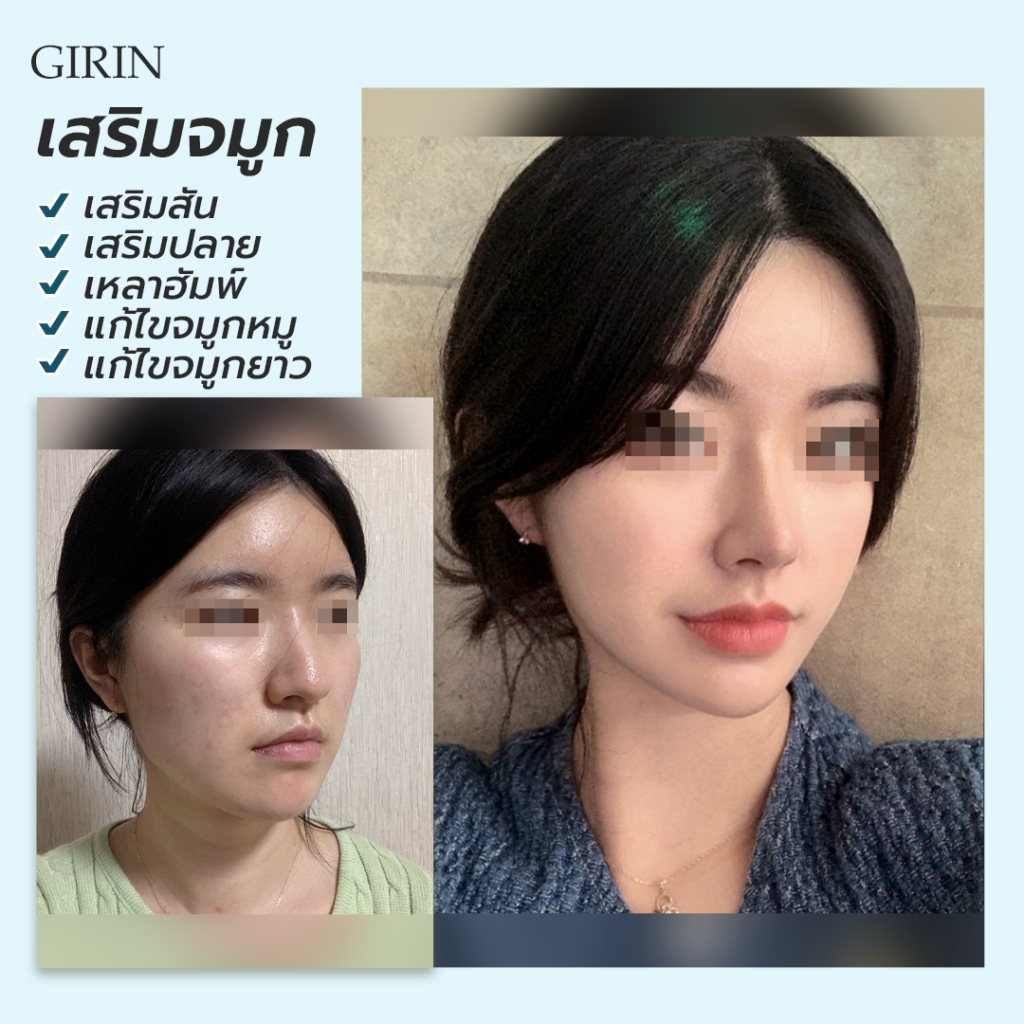
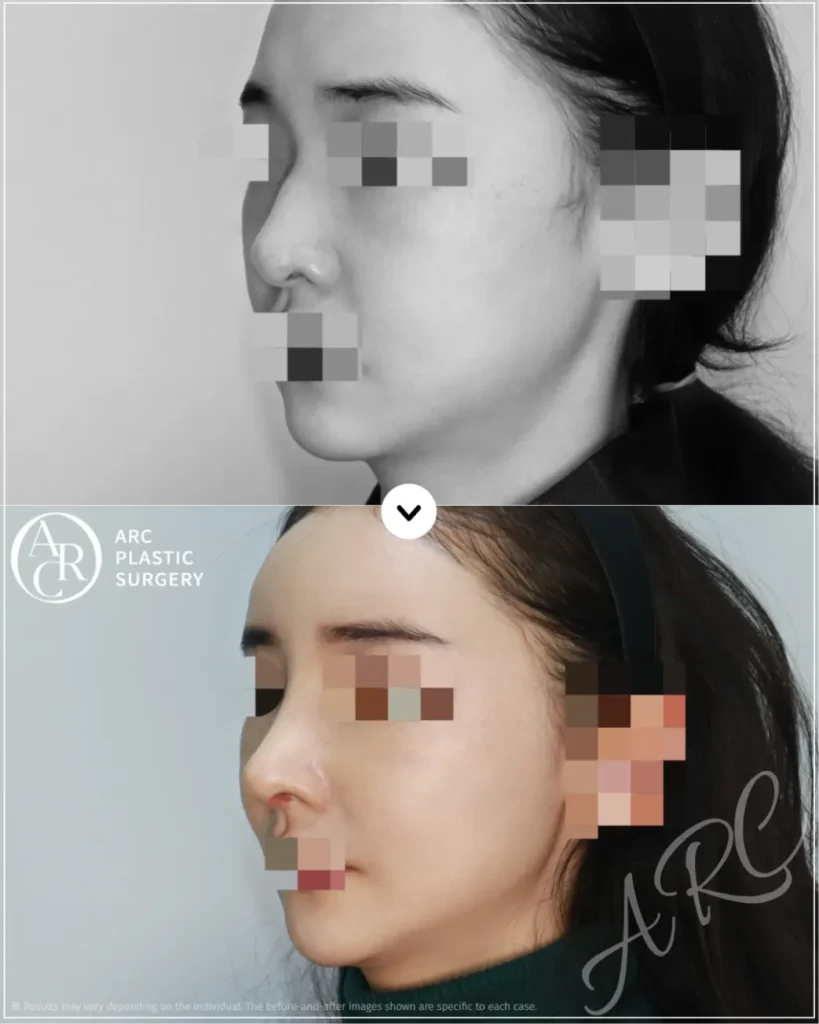
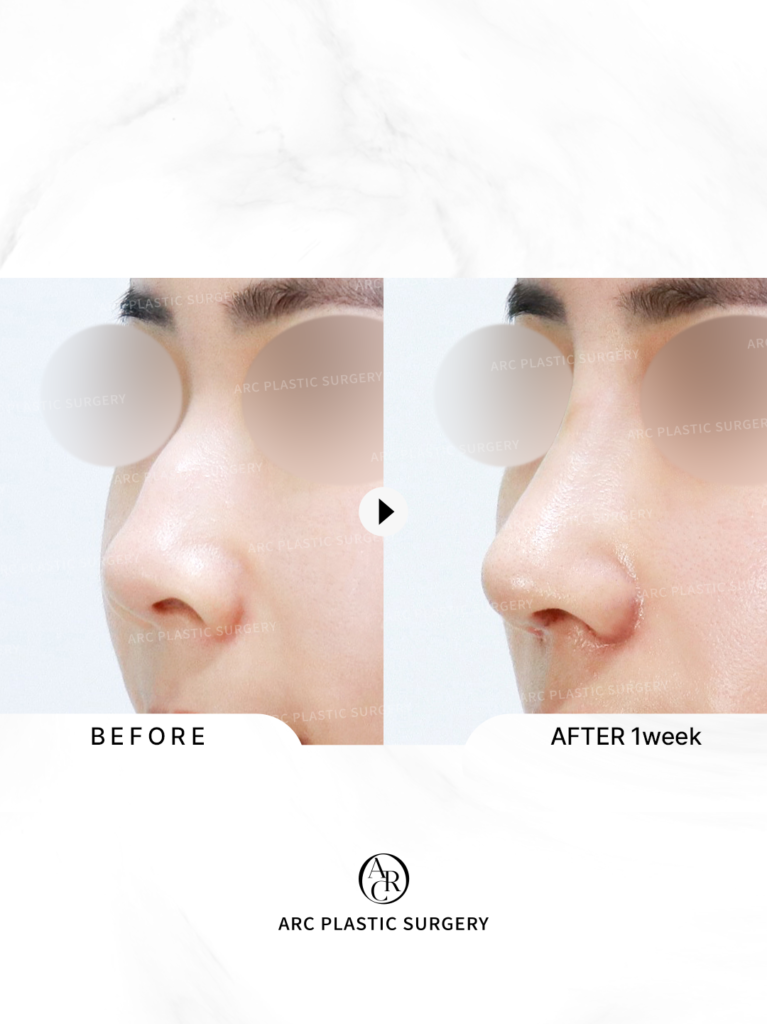
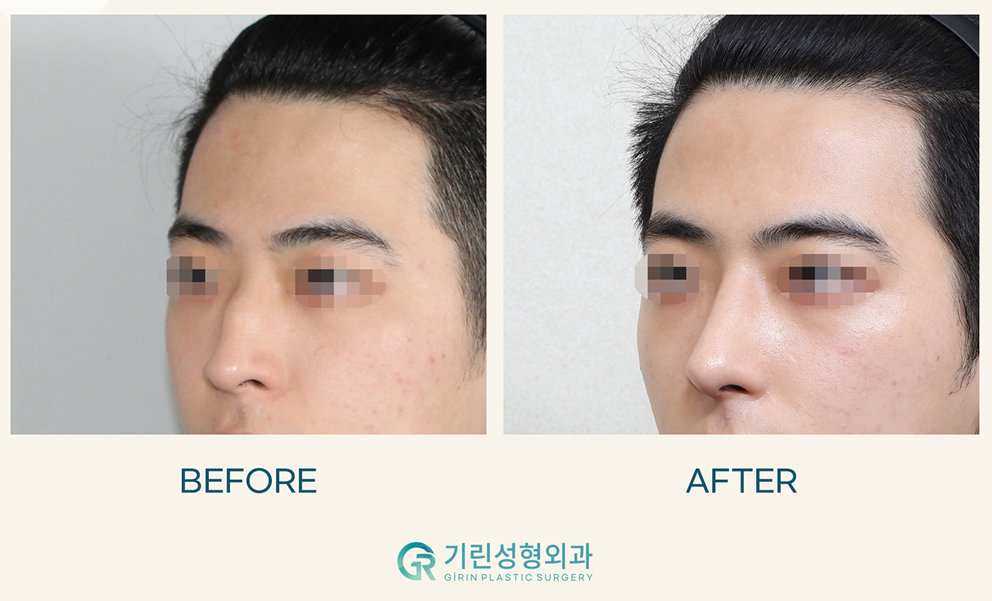
Rhinoplasty

{"aigc_info":{"aigc_label_type":0,"source_info":"dreamina"},"data":{"os":"web","product":"dreamina","exportType":"generation","pictureId":"0"},"trace_info":{"originItemId":"7572145822637264135"}}
How to Prepare Before Surgery

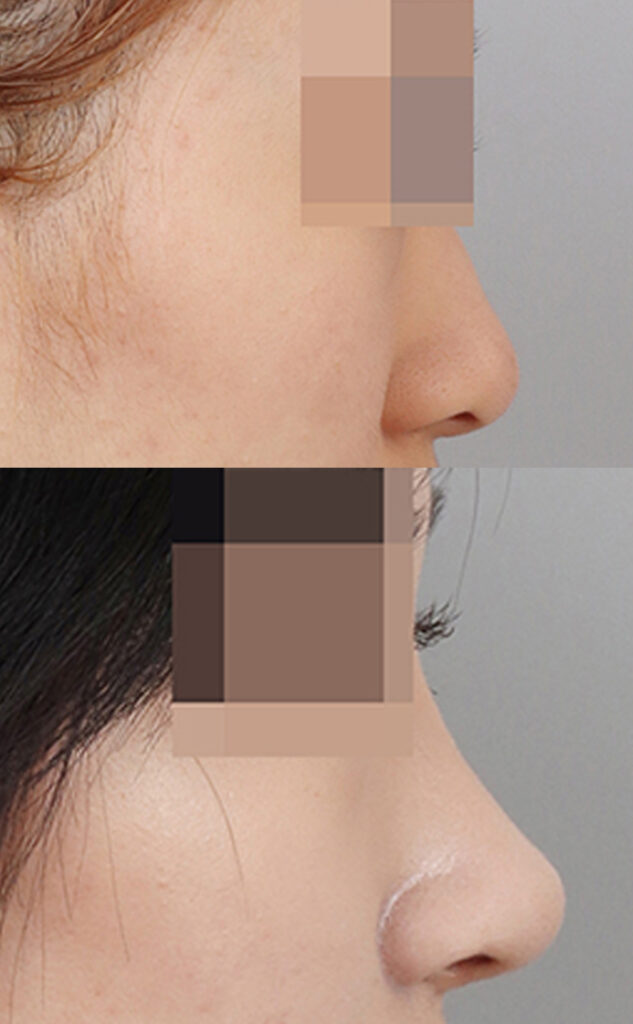
A blunt or bulbous nose tip is very common. This occurs when the nostrils are wide, the tip cartilage is spread apart, or there is excess fat and skin tissue around the nasal tip.

Refining the nose tip can greatly enhance your overall facial harmony by creating a more defined and balanced nasal shape.
For simple cases, septal cartilage or ear cartilage is used to reshape and support the nose tip.
For moderate cases, additional trimming and tying of the cartilage may be required to create the desired contour.
For complex cases, removing excess skin and fat may also be necessary to achieve a more defined result.

Surgery Time: 1.5 hours
Anesthesia: Local anesthesia with sedation (deep sleep)
Hospitalization: Discharge 2–3 hours after surgery
After-Surgery Check-ups: 3 sessions
Recommended Minimum Stay in Seoul: 7 days (or 5 days if stitches are removed in your home country)
Recovery to Normal Appearance: 2–4 weeks
Full Recovery and Final Setting: 6–12 months

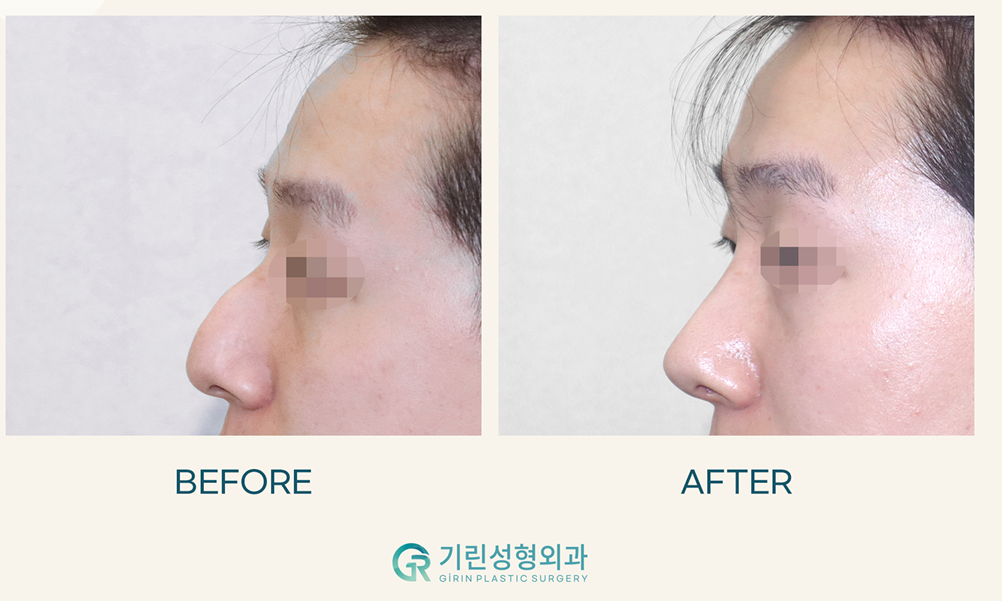
If your nose tip points downward or resembles an arrow shape, this procedure is suitable for you. This condition is often referred to as a ptotic nose, where the nasal tip is overly long and droops down, creating facial imbalance.

This is a highly complex procedure that should only be performed by an experienced rhinoplasty specialist. Glowin Medical will help you find the most qualified specialist for your case. During the procedure, a portion of the nasal tip cartilage is removed to shorten the tip. Additional cartilage is placed near the septum to lift the tip and correct the angle. In more complex cases, extra cartilage grafts may be required, along with a possible bridge implant.

Surgery Time: 1.5–2 hours
Anesthesia: Local anesthesia with sedation (deep sleep)
Hospitalization: Discharge 2–3 hours after surgery
After-Surgery Check-ups: 3 sessions
Recommended Minimum Stay in Seoul: 7 days (or 5 days if stitches will be removed in your home country)
Recovery to Normal Appearance: 2–4 weeks
Full Recovery and Final Setting: 6–12 months

Tip plasty is performed to slightly reduce the width of the nose, refine the nasal tip, and create a sharper, more defined appearance. The surgical method varies depending on the complexity of the case:

  • Simple cases: the nose tip is refined using internal tying techniques.

  • Moderate cases: the tip is tied internally and supported with cartilage grafts. Cartilage is typically taken from the septum, or from the ear if additional support is needed.

  • Complex cases: a cartilage strut is created to reinforce and support the nasal tip for long-lasting structure and shape.

Surgery Time: 30 minutes – 1 hour
Anesthesia: Local anesthesia with sedation (deep sleep)
Hospitalization: Discharge 2–3 hours after surgery
After-Surgery Check-ups: 3 sessions
Recommended Minimum Stay in Seoul: 7 days (or 5 days if stitches are removed in your home country)
Recovery to Normal Appearance: 2–4 weeks
Full Recovery and Final Setting: 6–12 months

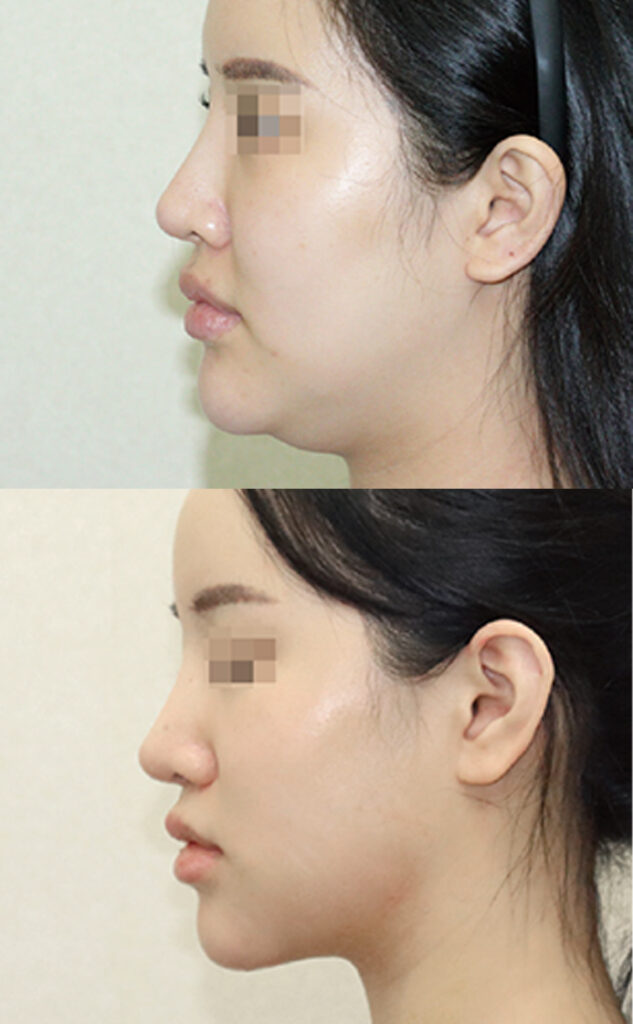
Correcting a short and upturned nose is a delicate procedure that must be performed by a rhinoplasty specialist.

In simpler cases, a small amount of cartilage is removed from the upper part of the nose tip, allowing the nose to be adjusted to a more natural angle.

In more challenging cases, additional septal cartilage is grafted to extend and support the tip to the correct position.

For complex cases, ear cartilage may be used to provide extra support and achieve the ideal nose length and angle.

Surgery Time: 30 minutes – 2 hours
Anesthesia: Local anesthesia with sedation (deep sleep)
Hospitalization: Discharge after 2–3 hours
After-Surgery Check-ups: 3 sessions
Recommended Minimum Stay in Seoul: 7 days (5 days if stitches are removed in your home country)
Recovery to Normal Appearance: 2–4 weeks
Full Recovery and Final Setting: 6–12 months

When the nose bridge is naturally low, a nose bridge implant can be inserted to enhance height and improve overall balance. This is commonly referred to as dorsal augmentation, which helps elevate and straighten the bridge to achieve proper proportions.

The most commonly recommended implant materials are silicone and Gore-Tex. Silicone is generally preferred because it is easier to remove should revision be needed in the future. Gore-Tex, while offering a very natural feel, is much more difficult to remove, which increases the risks and is therefore considered on a case-by-case basis.

In some cases, rib cartilage or donated cartilage can be used to augment the bridge. However, this is not typically recommended, as cartilage may warp or be absorbed over time. Although the initial results may look similar to an implant, the long-term risk of changing shape often leads to the need for revision surgery.

Surgery Time: 30 minutes – 1 hour
Anesthesia: Local anesthesia with sedation (deep sleep)
Hospitalization: Discharge after 2–3 hours
After-Surgery Check-ups: 3 sessions
Recommended Minimum Stay in Seoul: 7 days (5 days if stitches will be removed in your home country)
Recovery to Normal Appearance: 2–4 weeks
Full Recovery and Final Setting: 6–12 months

If your nose appears crooked, it may lead to internal breathing difficulties, nasal congestion, headaches, and other functional issues. To correct this, a septoplasty is commonly performed to straighten the internal structure. For more complex deviations, a controlled fracture may be required to remove the crooked portion of the nasal bone. In certain cases, the nasal tip also needs to be adjusted to achieve proper alignment and improve the overall shape of the nostrils.

Please note that while ENTs are skilled in functional correction, plastic surgeons typically provide superior aesthetic results. We have treated numerous patients whose crooked noses were surgically corrected at general hospitals by ENT specialists, but the cosmetic outcome remained unsatisfactory. Our plastic surgeons were able to refine and improve the result with a more aesthetic-focused approach.

Surgery Time: 1.5–2.5 hours
Anesthesia: Local anesthesia with sedation (deep sleep)
Hospitalization: Discharge 2–3 hours after surgery
After-Surgery Check-ups: 3 sessions
Recommended Minimum Stay in Seoul: 7 days (5 days if stitches are removed in your home country)
Recovery to Normal Appearance: 2–4 weeks
Full Recovery and Final Setting: 6–12 months

A hump or bump on the nose can create a harsher appearance and disrupt facial balance. To correct a humped nose, an incision is made inside the nose, and the hump is carefully shaved or rasped down. In more complex cases, the hump may need to be fractured and reshaped, and cartilage may be added to support the tip and prevent drooping.

In many hump removal procedures, tip correction is also required. Often, the hump occupies more volume inside the nose than it appears externally. Once removed, the bridge may look flat, so a nose bridge implant may be used to restore height and maintain natural proportions. Tip refinement may also be performed to achieve the proper angle and overall harmony.

Surgery Time: 1.5–2 hours
Anesthesia: Local anesthesia with sedation (deep sleep)
Hospitalization: Discharge 2–3 hours after surgery
After-Surgery Check-ups: 3 sessions
Recommended Minimum Stay in Seoul: 7 days (or 5 days if stitches will be removed in your home country)
Recovery to Normal Appearance: 2–4 weeks
Full Recovery and Final Setting: 6–12 months

If you have a wide nose bridge, the width can be reduced through an osteotomy, which reshapes the bone to create a more refined and balanced appearance. This procedure narrows the bridge, and if additional height is desired, an implant may be placed to achieve the ideal profile.

For reference, the typical aesthetic guideline for females is a 10 mm width between both sides of the nasal bridge down to the tip, while for males, the ideal width is around 13 mm. However, each individual has unique facial proportions, so the ideal width may vary depending on the look you wish to achieve. At Seoul Guide Medical, we ensure your preferences are carefully considered alongside professional measurements and aesthetic standards.

Surgery Time: 1.5–2 hours
Anesthesia: Local anesthesia with sedation (deep sleep)
Hospitalization: Discharge 2–3 hours after surgery
After-Surgery Check-ups: 3 sessions
Recommended Minimum Stay in Seoul: 7 days (or 5 days if stitches will be removed in your home country)
Recovery to Normal Appearance: 2–4 weeks
Full Recovery and Final Setting: 6–12 months

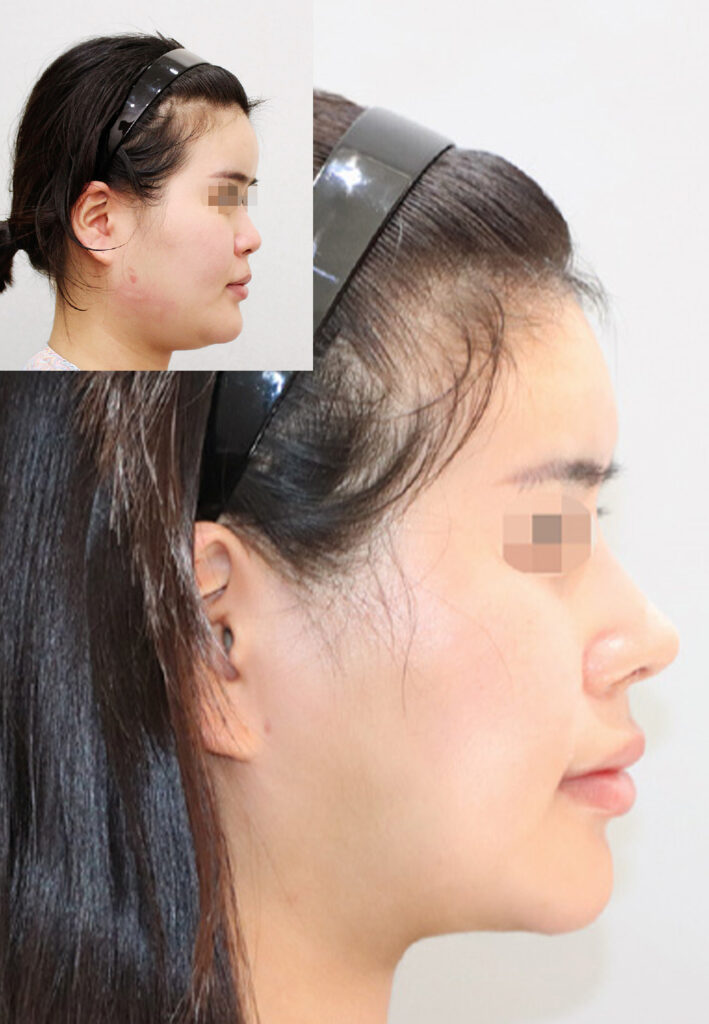
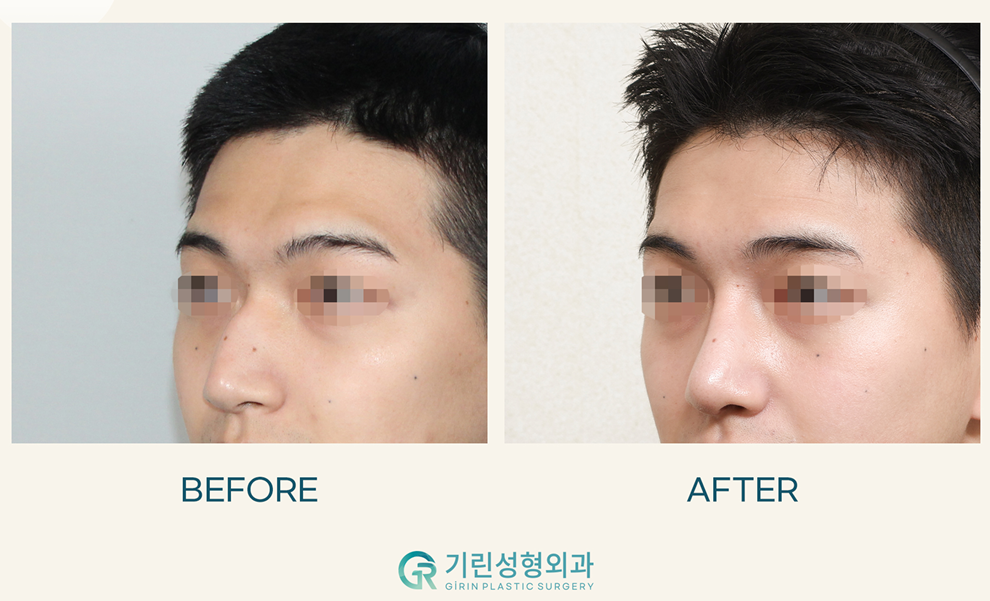
Men’s rhinoplasty has become increasingly popular in Korea, with results that are refined yet masculine. The ideal male nose often features a bridge width of around 13 mm, a 130° angle between the forehead and the nose, and a 90° angle between the nose and upper lip.

While feminine noses often have a gentle curve, male noses are typically straighter to create a stronger, more defined appearance. Every case is unique, and your personal goals will be carefully considered during consultation.

This procedure is commonly combined with a scarless chin implant, especially for patients with a receding chin, to achieve improved balance and harmony in the facial profile. Our founder has also undergone male rhinoplasty himself, and our team specializes in delivering natural, masculine results. Let Seoul Guide Medical help you achieve the look you desire.

Surgery Time: 1.5–3.5 hours
Anesthesia: Local anesthesia with sedation (deep sleep)
Hospitalization: Discharge 2–3 hours after surgery
After-Surgery Check-ups: 3 sessions
Recommended Minimum Stay in Seoul: 7 days
Recovery to Normal Appearance: 2–3 weeks
Full Recovery and Final Setting: 6–9 months

Men’s rhinoplasty has become increasingly popular in Korea, with results that are refined yet masculine. The ideal male nose often features a bridge width of around 13 mm, a 130° angle between the forehead and the nose, and a 90° angle between the nose and upper lip.

While feminine noses often have a gentle curve, male noses are typically straighter to create a stronger, more defined appearance. Every case is unique, and your personal goals will be carefully considered during consultation.

This procedure is commonly combined with a scarless chin implant, especially for patients with a receding chin, to achieve improved balance and harmony in the facial profile. Our founder has also undergone male rhinoplasty himself, and our team specializes in delivering natural, masculine results. Let Seoul Guide Medical help you achieve the look you desire.

Surgery Time: 1.5–3.5 hours
Anesthesia: Local anesthesia with sedation (deep sleep)
Hospitalization: Discharge 2–3 hours after surgery
After-Surgery Check-ups: 3 sessions
Recommended Minimum Stay in Seoul: 7 days
Recovery to Normal Appearance: 2–3 weeks
Full Recovery and Final Setting: 6–9 months

Leave a Reply

Your email address will not be published. Required fields are marked *