Breast Augmentation, Shaping & Reduction
Glowin Medical has helped thousands of women—both local and international—achieve their desired results through breast augmentation, shaping, and reduction procedures. Enhancing the chest area often brings the highest satisfaction among all plastic surgeries, as it greatly affects confidence, appearance, and how clothing fits.
Breast Augmentation can be done using either implants or fat grafting. Implants are generally the best option, as fat grafting over a large area tends to have limited long-term results. Fat grafting is more of a temporary solution, while implants provide a permanent result.
For women who are unhappy with the shape of their breasts, shaping or lifting procedures can restore a youthful and natural appearance. For those with excessively large breasts or experiencing back discomfort, breast reduction can help improve comfort and proportion.
The type of implant, the surgeon, and the surgical technique are all critical for optimal results. Breast augmentation should be performed by a specialist to avoid dissatisfaction and costly revisions. Over the years, many patients have required revision surgery after procedures done by general plastic surgeons or with low-quality implants.
High-quality breast implants from reputable companies such as Mentor and Motiva are expensive but ensure the best results. If the price seems unusually low, the implant quality may be poor, which will affect both appearance and feel.
A successful breast augmentation creates beautifully shaped breasts that are proportional to your body and feel natural to the touch. Post-surgery care is essential, and Glowin Medical provides professional support every step of the way to ensure safe and satisfying results
How to Prepare Before Surgery
1. Post-Surgery Assistance
It is important to stop taking all unnecessary medications and supplements—including birth control pills, hormone treatments, vitamins, aspirin, and similar products—at least 2 weeks before surgery if possible. Any substance that may increase bleeding should be avoided. If you are being treated for diabetes, thyroid problems, heart disease, or high blood pressure, please inform our consultants immediately.
2. Health & Lifestyle
Being in good health before surgery helps your recovery go faster. Avoid smoking and alcohol for at least 3 days before surgery. Eating nutritious foods like fresh vegetables and fruits can also support a smoother recovery.
3. Surgery Day Preparation
On the day of surgery, wear comfortable, loose-fitting clothes (zip-ups are recommended). Remove all jewelry, makeup, nail polish, and contact lenses before arriving at the clinic
4. Fasting Before Surgery
For most eye area surgeries, local anesthesia is used, and in some cases, sedation may be added. You must fast (no food or drinks) for 4–6 hours before surgery, depending on your consultation
How to Prepare After Surgery
1. Post-Surgery Support
Our helper and translator will be with you throughout your recovery, including when you wake up after surgery. We will provide care with attention and kindness while assisting your recovery at the clinic. Pumpkin porridge and pumpkin juice will be offered to help speed up your healing (please inform us if you dislike pumpkin or have any allergies). We will also monitor your recovery, and help you collect your aftercare package and prescribed medications
2. Swelling Management
Swelling usually increases during the first 2–3 days before gradually decreasing. It is important to use the ice packs provided as frequently as possible—the more you ice, the faster your recovery. Swelling may appear uneven, with one side slightly more swollen than the other
3. Medication & Rest
Take all prescribed medications until fully completed. Attend all scheduled check-ups and cleanings, avoid rubbing your eyes, and try to sleep on your back to prevent pressure on treated areas
4. Avoid Smoking & Alcohol
Do not smoke or drink alcohol for at least 4 weeks after surgery, as these can slow recovery and negatively affect your results
Breast Implan
1. Choosing the Right Size
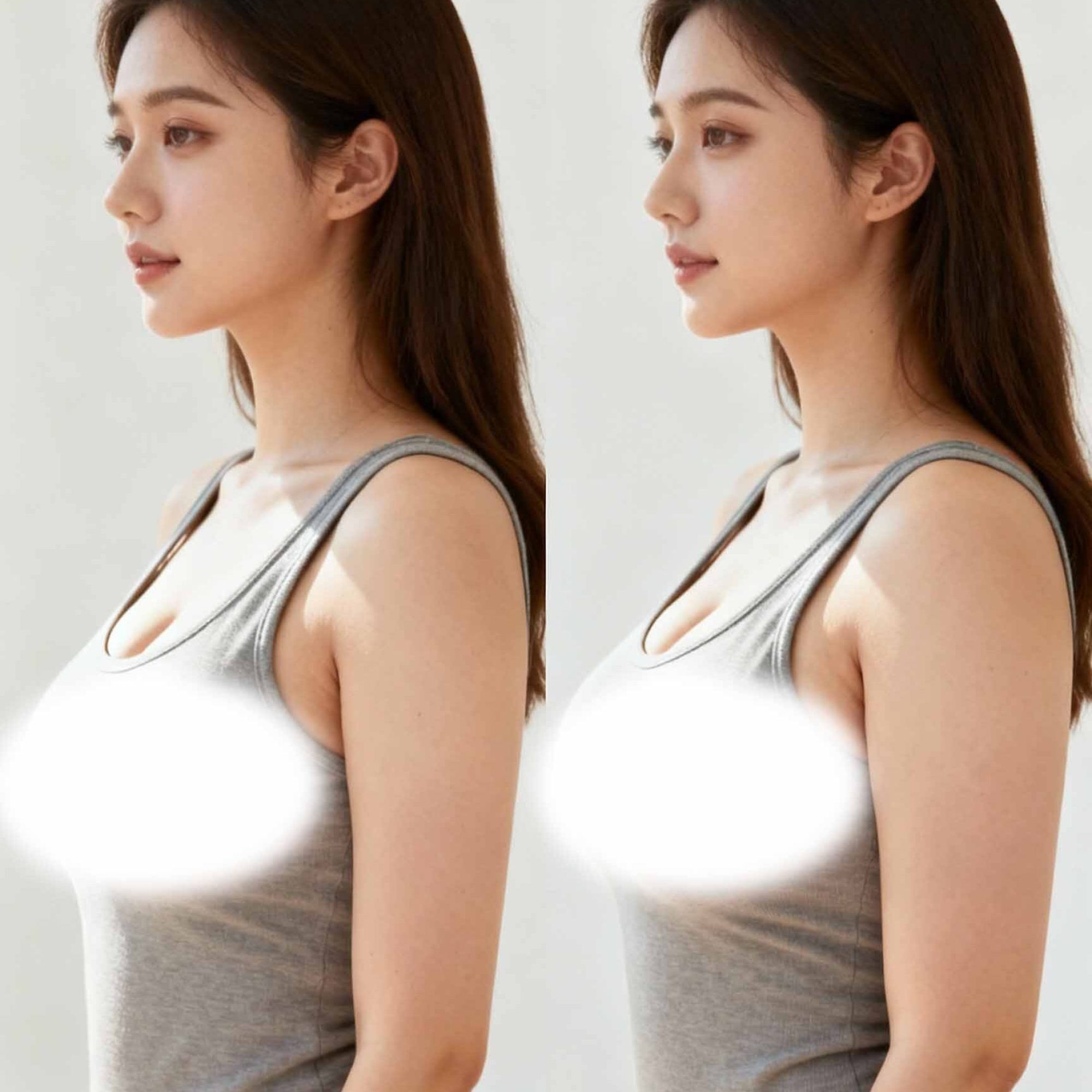
The ideal implant size depends on your skin thickness, weight, body shape, and personal preferences. Very thin patients may be able to get 300cc or more, but this may not look natural. For a natural result, it is important to follow your surgeon’s advice.
To help you visualize, 150–200cc roughly equals 1–1.5 cup sizes, but this varies depending on your breast tissue and chest width. Patients usually achieve better long-term satisfaction by selecting a size that complements their body type.
2. Implant Projection
Implants come in four projection types:
- Low profile: Small forward projection, best for wider frames seeking balance.
- Moderate profile: Most natural-looking; suits those who want a moderately wide chest appearance.
- High profile: Strong projection, ideal for narrower chest width.
- Extra high profile: Maximum projection, for those desiring noticeable depth but a smaller chest diameter.
3. Shape: Round vs. Teardrop
- Round implants: More volume at the top, providing a fuller chest appearance. May look slightly artificial when viewed without clothing but are excellent for adding top-chest volume.
- Teardrop implants: More volume at the bottom, mimicking natural breast shape. Provides a softer and more natural look, especially when unclothed.
The best choice depends on your body type and desired look.
4. Implant Placement
- Under the muscle (submuscular): Implants are covered by breast tissue, resulting in softer breasts and less risk of rippling. Recovery is longer and more painful. Recommended for those with sagging breasts, often combined with a breast lift.
- Partially under the muscle (dual plane): Skilled technique placing the implant partly under the muscle, reducing the need for a lift.
- Over the muscle (subglandular): Implants placed above the muscle; suitable for those with enough breast tissue to cover the implant. Shorter recovery, usually no lift required.
Always follow your surgeon’s recommendation for the best long-term results.
6. Incision Methods
- Transaxillary: Incision in the armpit; scars are well-hidden but not suitable for very large implants.
- Inframammary: Incision under the breast fold; allows large implants but scar may be visible.
- Periareolar: Incision around the nipple; scars are less noticeable, but may affect breastfeeding.
- Transumbilical (through the navel): Rarely used; higher complication rates, generally not recommended.
6. Surgery Details
Fixable Bra: Wear for at least 14 days after surgery
Surgery Time: 2–3 hours
Anesthesia: General anesthesia
Hospitalization: 0–1 day
After Surgery Check-ups: 3–4 sessions
Recommended Minimum Stay in Seoul: 14 days
Recovery to Normal Appearance: 2 months
Full Recovery / Final Setting: 6–12 months
Hemo-Vac Removal: 3 days
Breast Augmentation (Fat Grafting)
If you are looking for a less invasive and more natural way to enhance your bust size and shape, fat grafting is an option. For optimal and longer-lasting results, this procedure is usually performed over 2–3 sessions, as a single session may not provide the desired outcome.
During the procedure, fat is liposuctioned from areas such as the abdomen, thighs, buttocks, or flanks, processed, and then carefully grafted into the breasts. This helps correct asymmetry and slightly increase the breast size.
The best candidates are women who have sufficient body fat and understand that a single fat transfer may yield temporary results, with improvements typically seen after multiple sessions. The fat survival rate in the breasts ranges from 50–80%, so 2–3 sessions are recommended for the best outcome. You can expect an increase of up to 1 bra cup size, which appears more noticeable in women with smaller frames. For those seeking a larger volume increase, breast implants may provide better results.
Surgery Time: 4–6 hours
Anesthesia: Local anesthesia with deep sedation or general anesthesia
Hospitalization: Discharge 2–3 hours after surgery
After-Surgery Check-ups: 3–4 sessions
Recommended Minimum Stay in Seoul: 10 days
Recovery to Normal Appearance: 2 months
Full Recovery and Final Setting: 6–12 months
Supportive Bra: Wear for at least 14 days post-surgery
Breast Lift
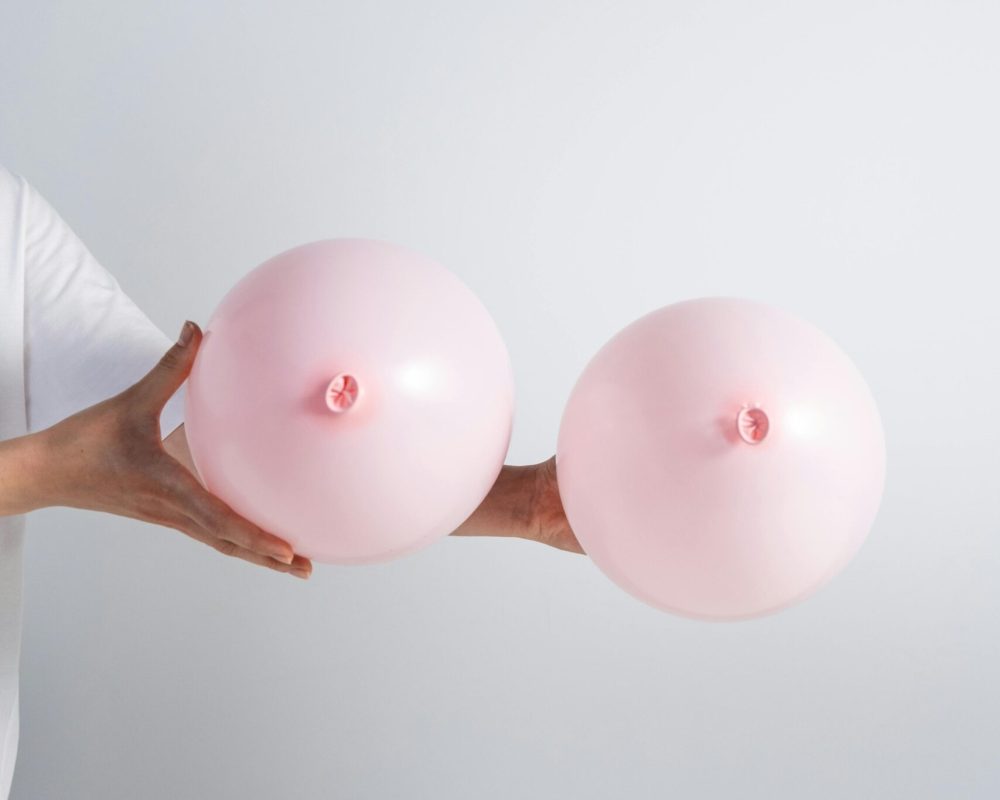
As we age, breast tissue and skin lose elasticity, causing the breasts to sag. Breast lift surgery corrects this issue, restoring a firmer and more youthful appearance. This procedure is commonly chosen by women who have experienced pregnancy, breastfeeding, sudden weight loss, or natural aging.
Breast sagging is classified into three stages:
- Stage A: Nipple droops less than 1 cm below the inframammary fold.
- Stage B: Nipple droops 1–3 cm below the inframammary fold.
- Stage C: Nipple droops more than 3 cm or points downward.
In some cases, combining a breast lift with breast augmentation (implants) provides the most long-lasting and optimal results.
Surgery Time: 3–5 hours
Anesthesia: General anesthesia
Hospitalization: 0–1 day
After-Surgery Check-ups: 3–4 sessions
Recommended Minimum Stay in Seoul: 14 days
Recovery to Normal Appearance: ~2 months
Full Recovery & Final Setting: 6–12 months
Supportive Bra: Wear for at least 14 days after surgery
Breast Reduction
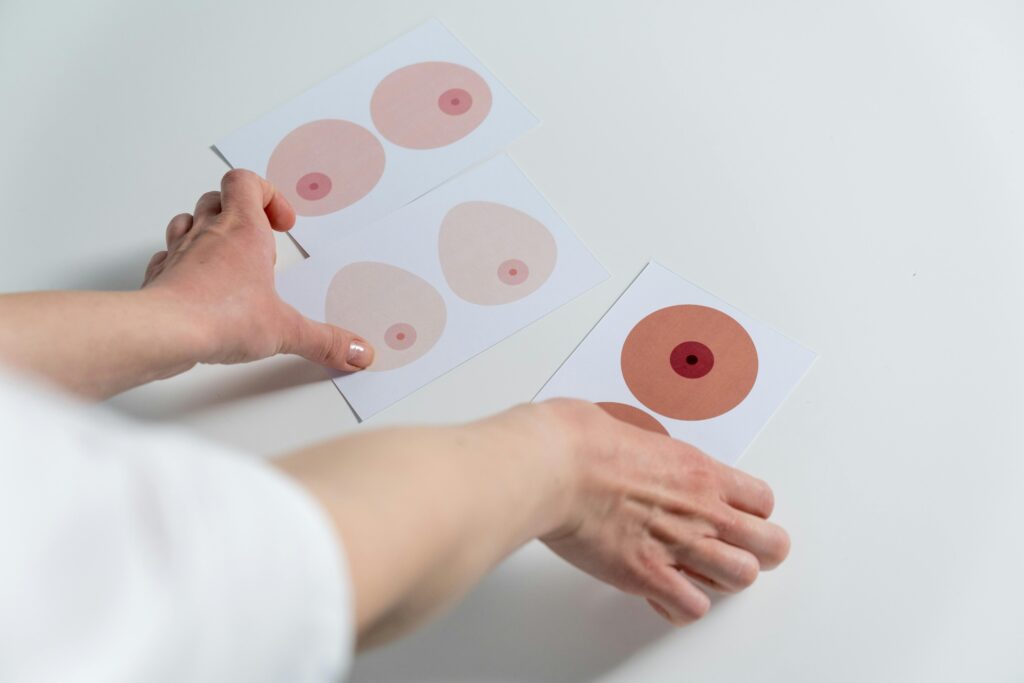
If you have breasts that are too large or causing discomfort, breast reduction surgery may be a suitable option. Women with over 400cc of breast tissue often experience physical pain, including neck and back problems, due to the weight of their chest. Large breasts can also sag, causing issues when a bra is not worn.
There are three main techniques for breast reduction:
- Vertical Incision: Ideal for women who wish to retain breastfeeding ability. The incision is made in a vertical line from the bottom center of the nipple. Some scarring will be visible afterward.
- Areola Incision: Best for those who want minimal visible scarring and whose breasts are not excessively large. The incision is made around the areola, preserving the ability to breastfeed.
- Inferior Pedicle Technique: Suitable for very large and saggy breasts. The incision runs around the areola and vertically down to the breast fold from the center of the nipple. This method leaves the most visible scarring but is the most effective for extremely large, sagging breasts.
Surgery Time: 3–5 hours
Anesthesia: General anesthesia
Hospitalization: 0–1 day
After-Surgery Check-ups: 3–4 sessions
Recommended Minimum Stay in Seoul: 14 days
Recovery to Normal Appearance: 2 months
Hemo-Vac Removal: 3 days after surgery
Nipple & Areola Reduction

If your nipples or areolas (the darker area around the nipples) are larger than you would like, nipple and areola reduction surgery can remove excess tissue to create a more balanced and proportional appearance. Many men and women feel self-conscious about larger nipples or areolas, and this simple procedure can significantly improve confidence and harmony with the rest of your chest and body.
Surgery Time: 30–60 minutes
Anesthesia: Local anesthesia with sedation (twilight/deep sleep) or general anesthesia
Hospitalization: Discharge 2 hours after surgery
After-Surgery Check-ups: 3–4 sessions
Recommended Minimum Stay in Seoul: 10–14 days
Recovery to Normal Appearance: Approximately 2 months