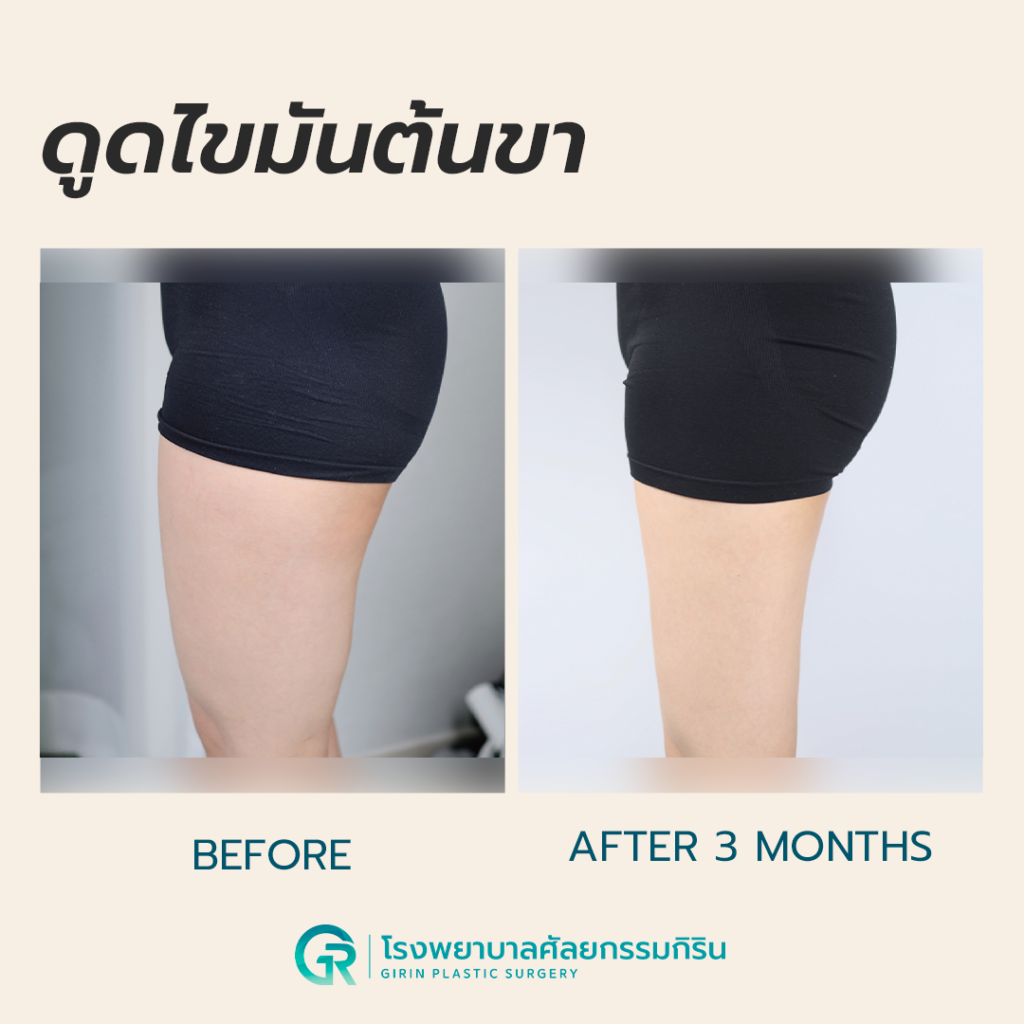
Body Shaping
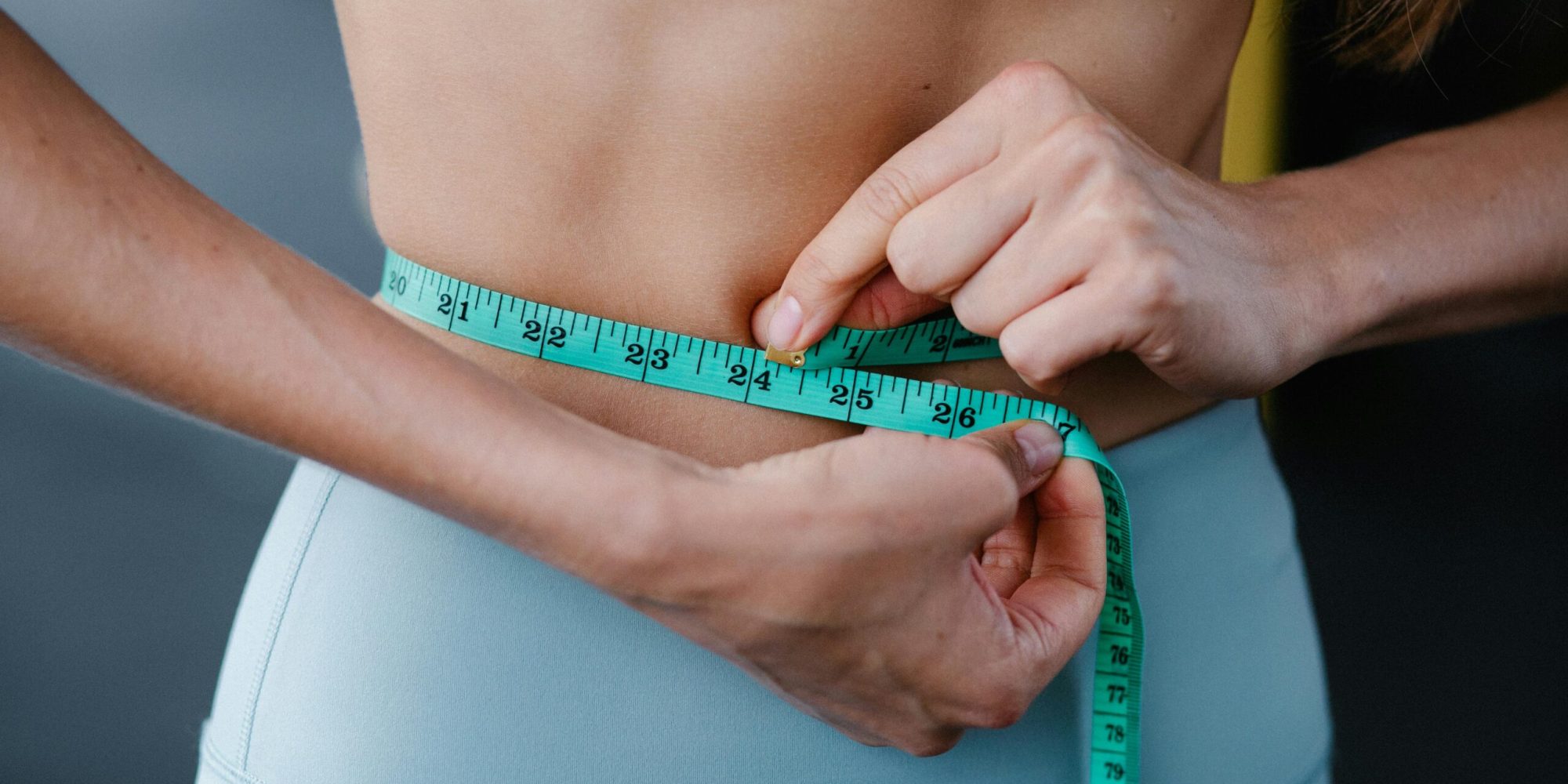
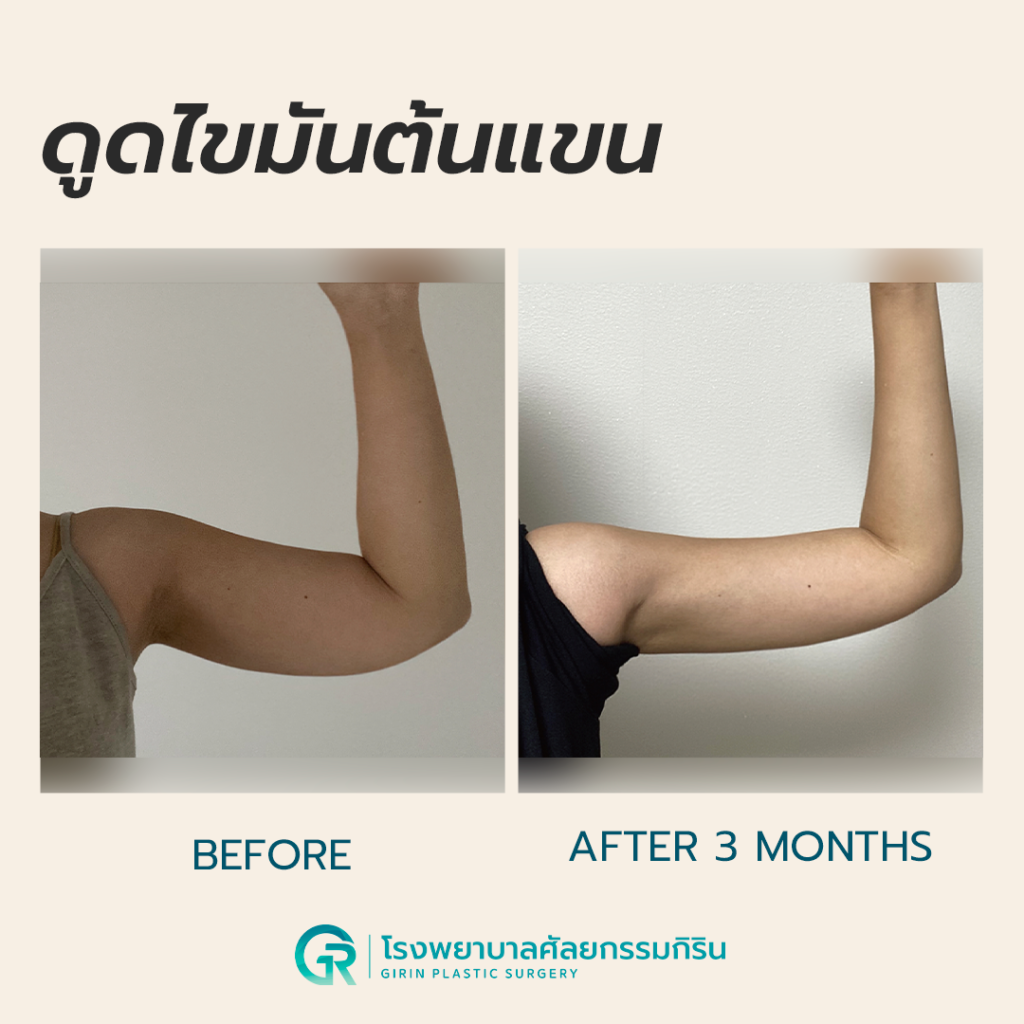
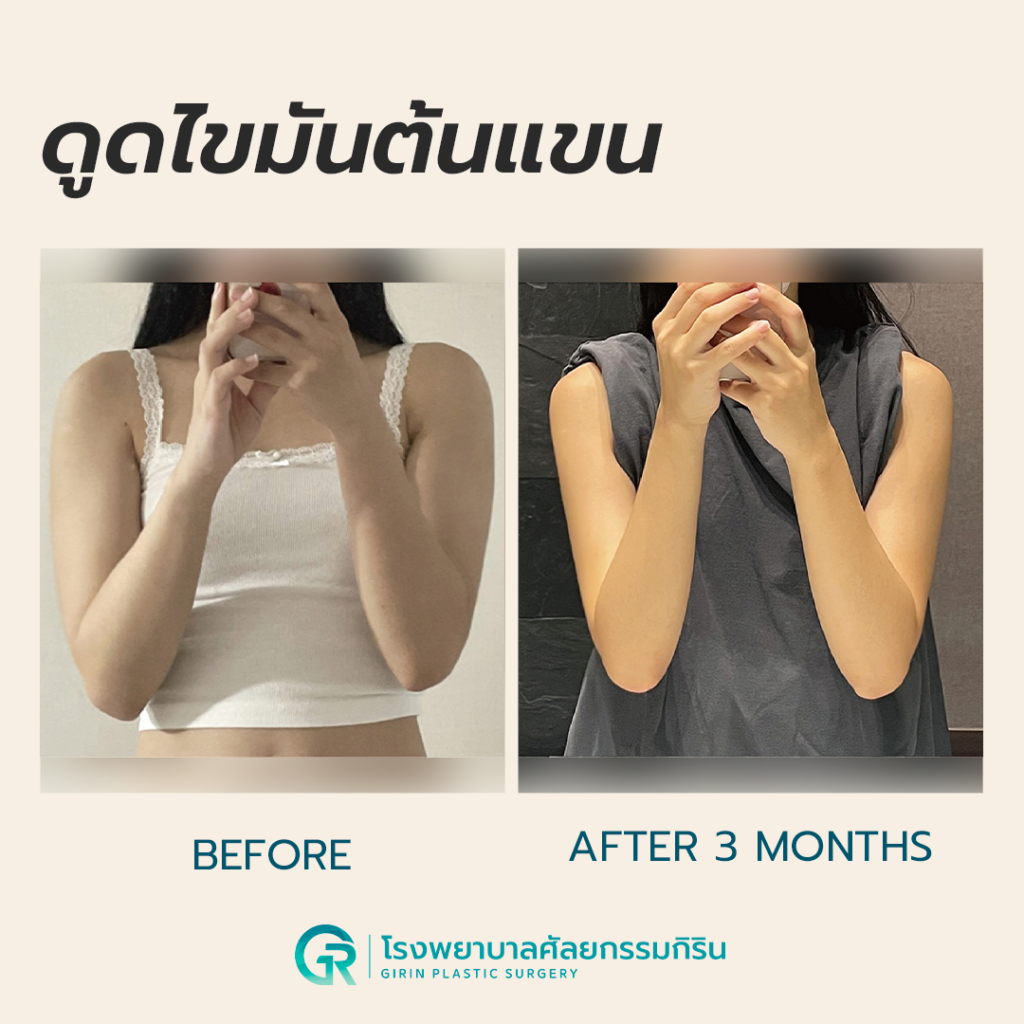
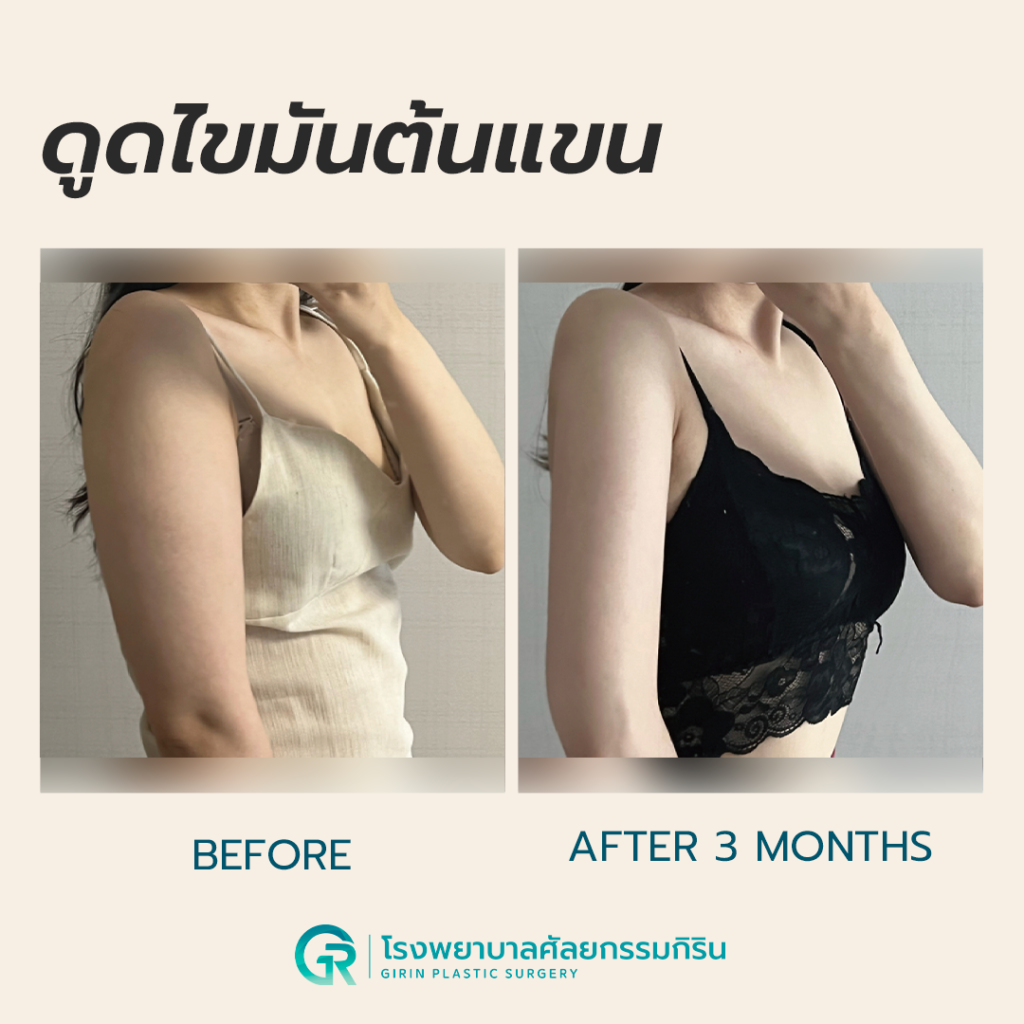
Body Shaping or Body Contouring refers to a series of plastic surgery procedures designed to remove or reduce excess skin and fat from various areas of the body—such as the torso, upper arms, chest, and thighs.
These procedures are commonly performed after significant weight loss or in cases where genetics cause certain areas of the body to retain stubborn fat despite maintaining a healthy weight and regular exercise.
The most common body contouring treatments include:
- Liposuction to remove localized fat deposits
- Excess skin removal for smoother, tighter contours
- Non-surgical treatments such as laser toning or fat-dissolving injections for subtle shaping
Additionally, calf reduction is a popular procedure that helps create a more slender and aesthetically balanced leg line
How to Prepare Before Surgery
1. Post-Surgery Assistance
It is important to stop taking all unnecessary medications and supplements—including birth control pills, hormone treatments, vitamins, aspirin, and similar products—at least 2 weeks before surgery if possible. Any substance that may increase bleeding should be avoided. If you are being treated for diabetes, thyroid problems, heart disease, or high blood pressure, please inform our consultants immediately.
2. Health & Lifestyle
Being in good health before surgery helps your recovery go faster. Avoid smoking and alcohol for at least 3 days before surgery. Eating nutritious foods like fresh vegetables and fruits can also support a smoother recovery.
3. Surgery Day Preparation
On the day of surgery, wear comfortable, loose-fitting clothes (zip-ups are recommended). Remove all jewelry, makeup, nail polish, and contact lenses before arriving at the clinic
4. Fasting Before Surgery
For most eye area surgeries, local anesthesia is used, and in some cases, sedation may be added. You must fast (no food or drinks) for 4–6 hours before surgery, depending on your consultation
How to Prepare After Surgery
1. Post-Surgery Support
Our helper and translator will be with you throughout your recovery, including when you wake up after surgery. We will provide care with attention and kindness while assisting your recovery at the clinic. Pumpkin porridge and pumpkin juice will be offered to help speed up your healing (please inform us if you dislike pumpkin or have any allergies). We will also monitor your recovery, and help you collect your aftercare package and prescribed medications
2. Swelling Management
Swelling usually increases during the first 2–3 days before gradually decreasing. It is important to use the ice packs provided as frequently as possible—the more you ice, the faster your recovery. Swelling may appear uneven, with one side slightly more swollen than the other
3. Medication & Rest
Take all prescribed medications until fully completed. Attend all scheduled check-ups and cleanings, avoid rubbing your eyes, and try to sleep on your back to prevent pressure on treated areas
4. Avoid Smoking & Alcohol
Do not smoke or drink alcohol for at least 4 weeks after surgery, as these can slow recovery and negatively affect your results
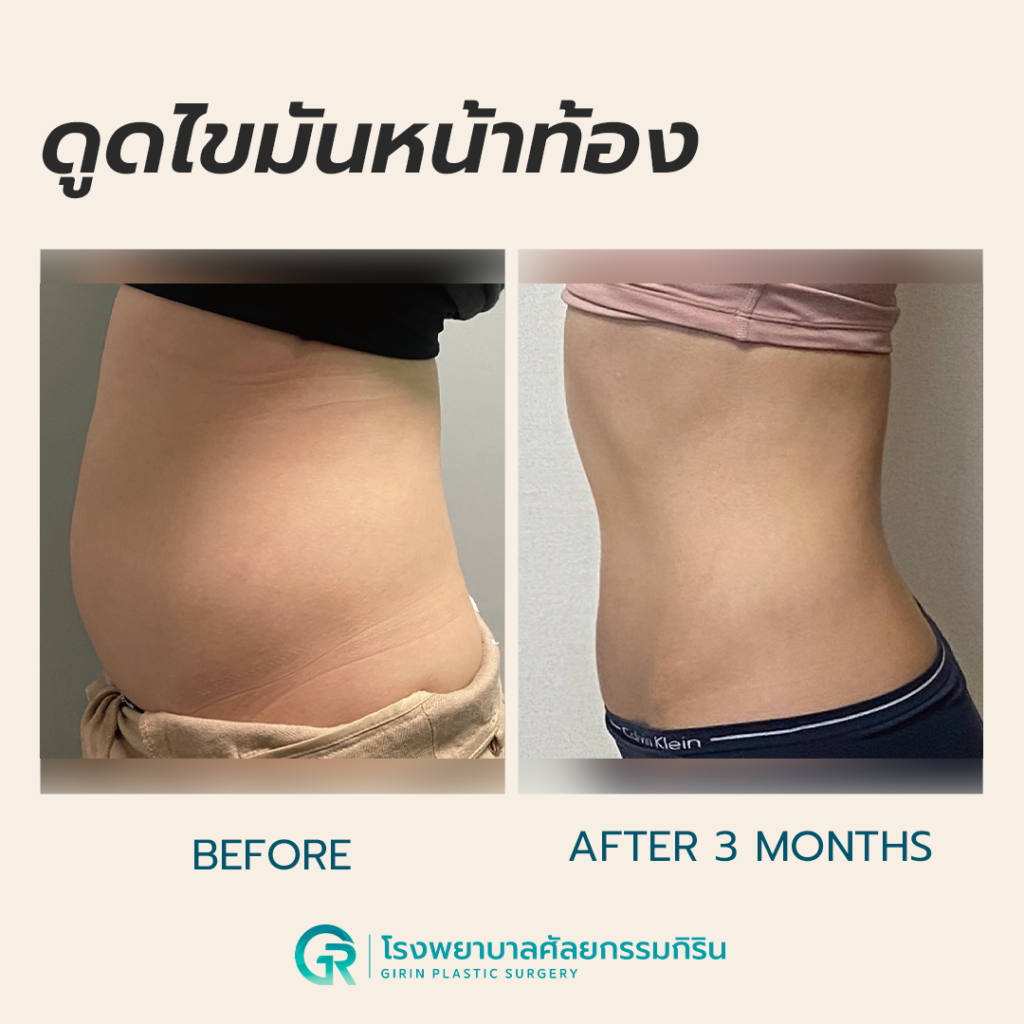
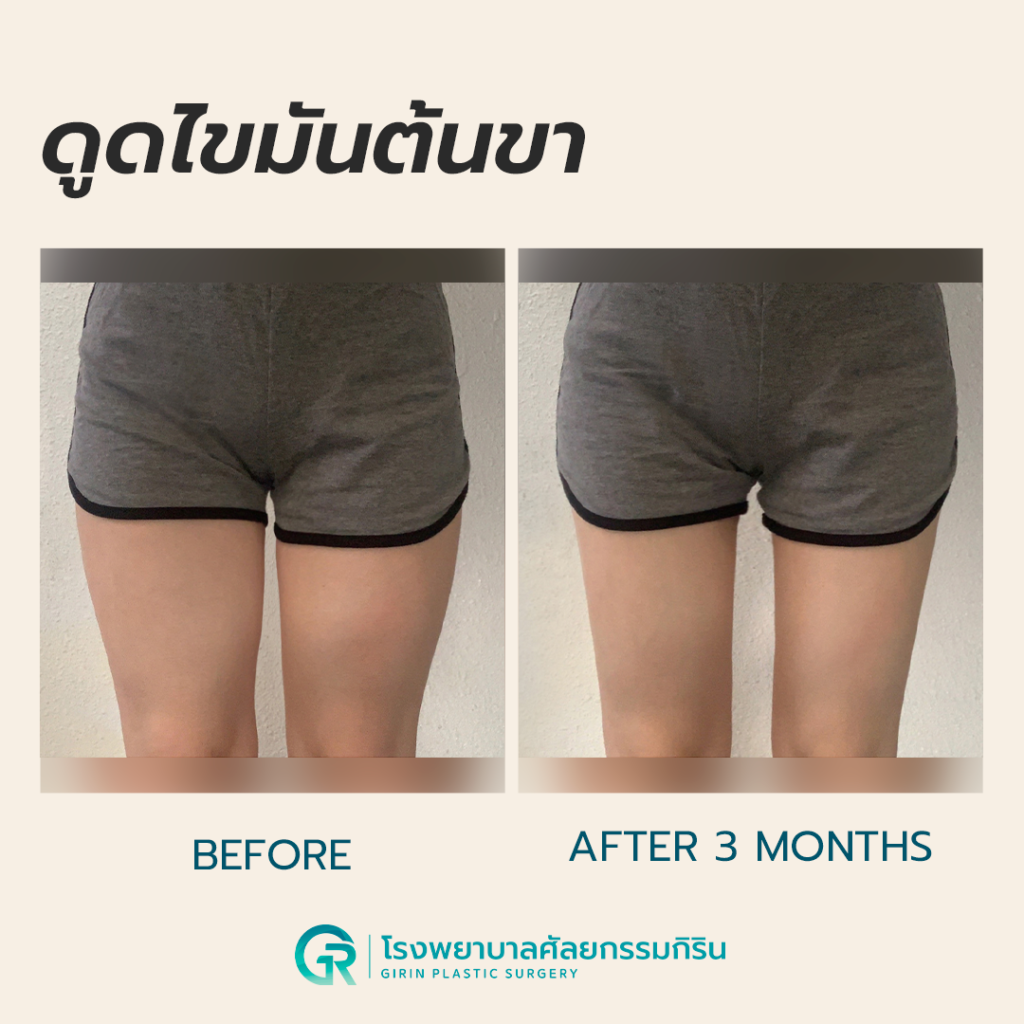
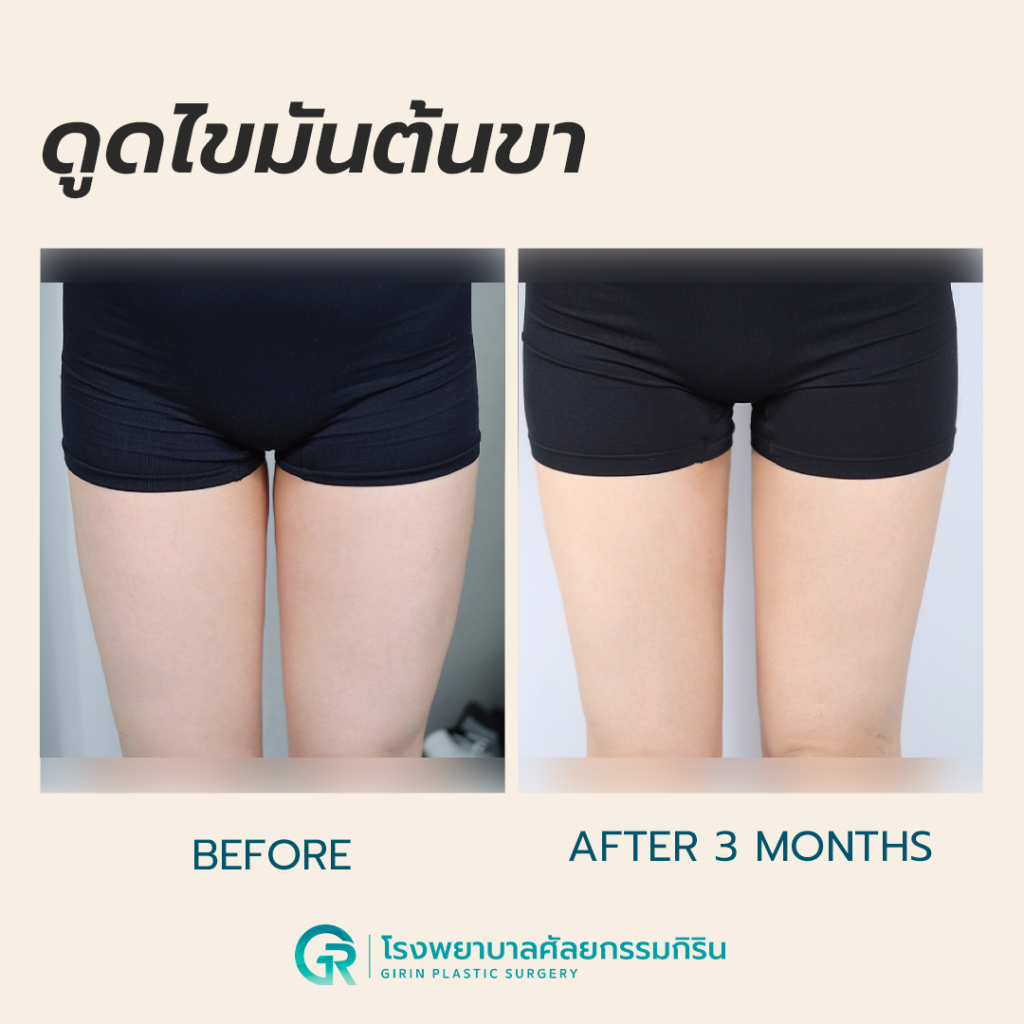
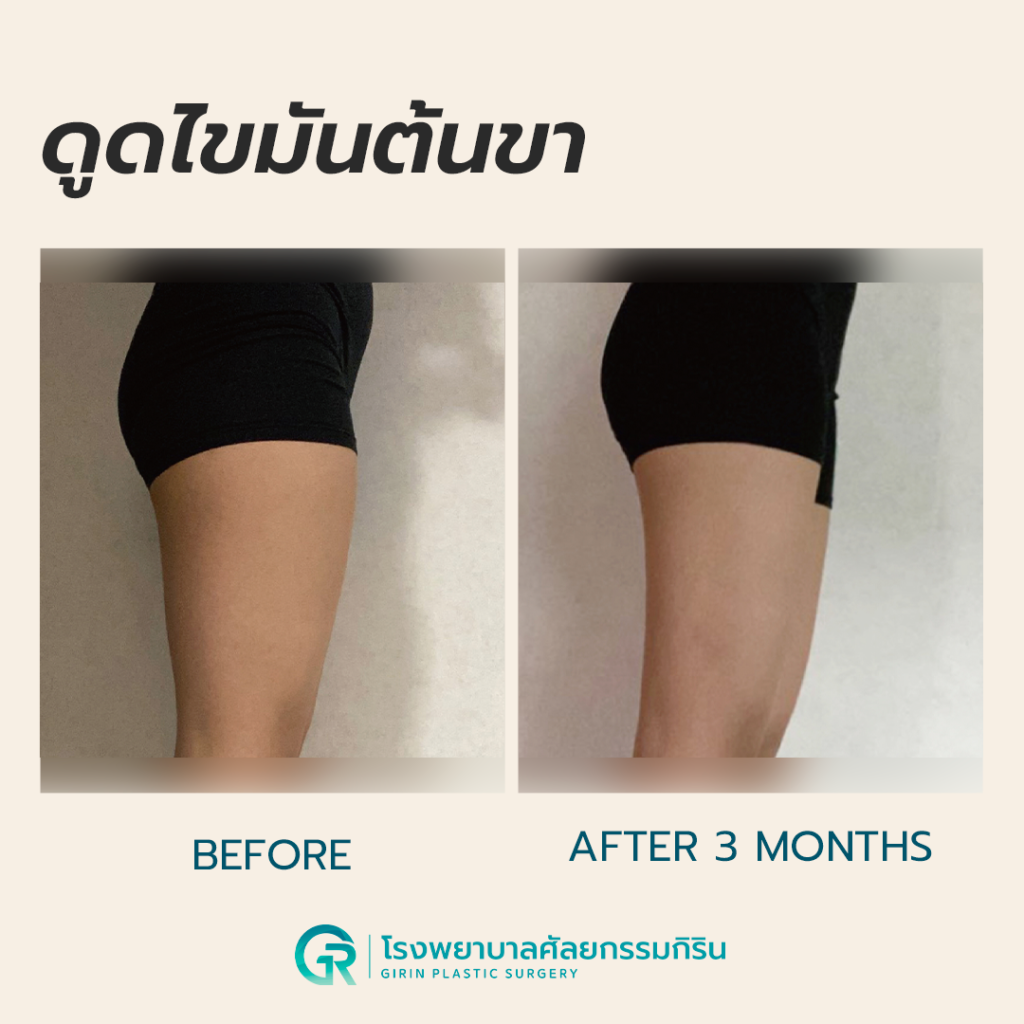
Body Liposuction
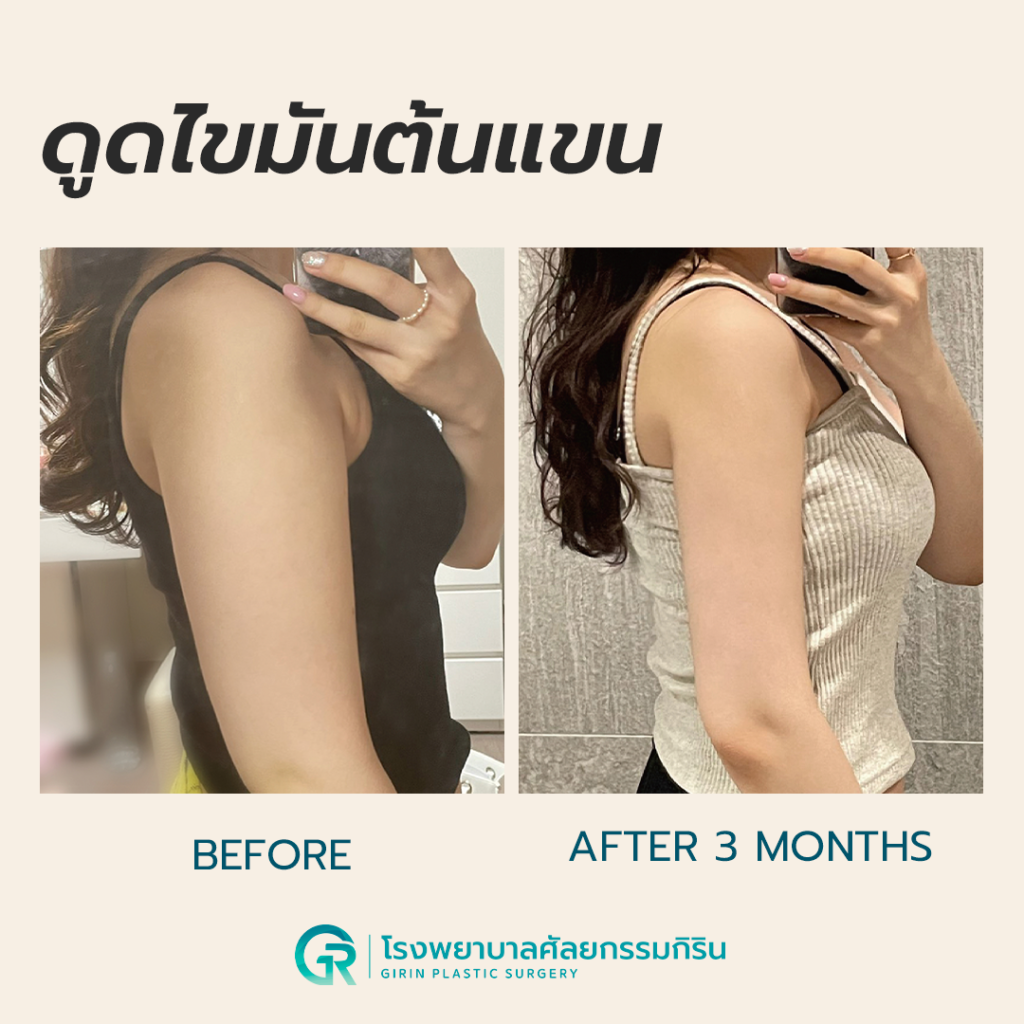
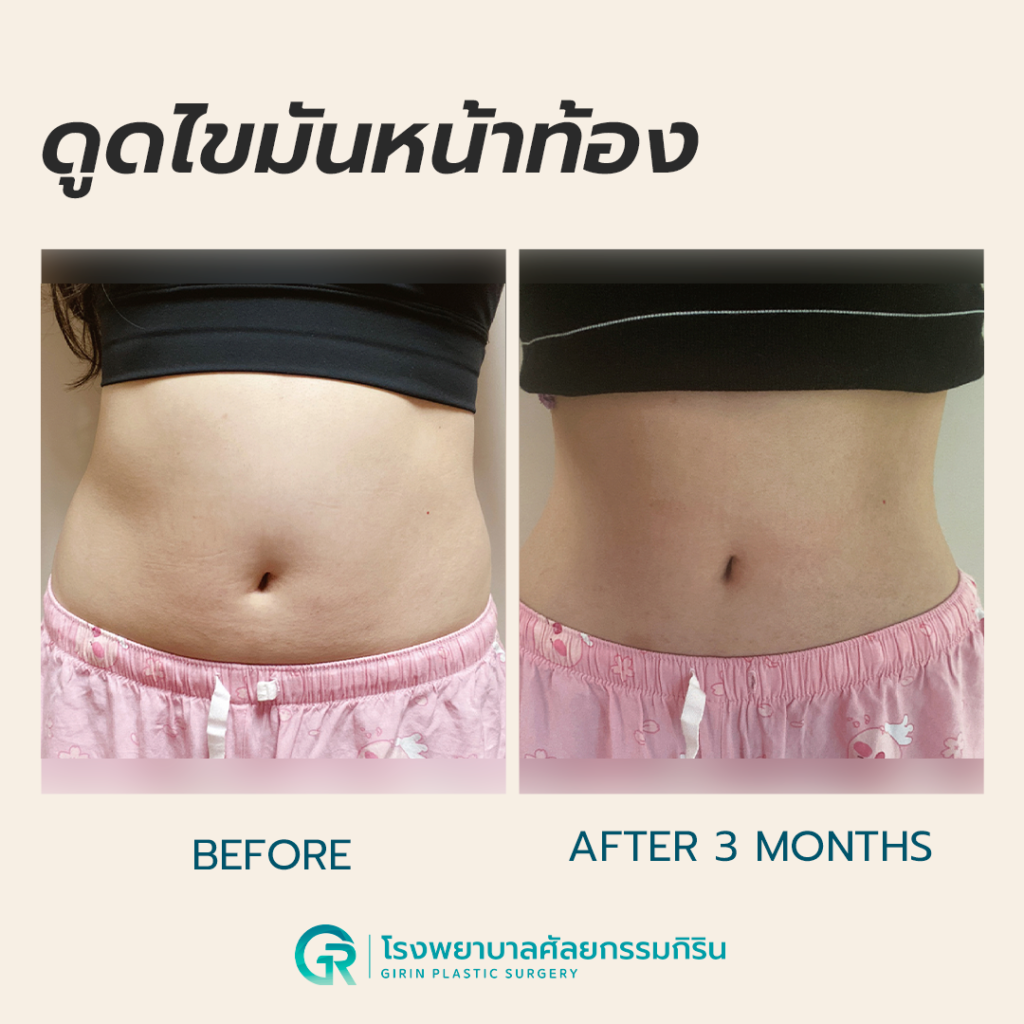
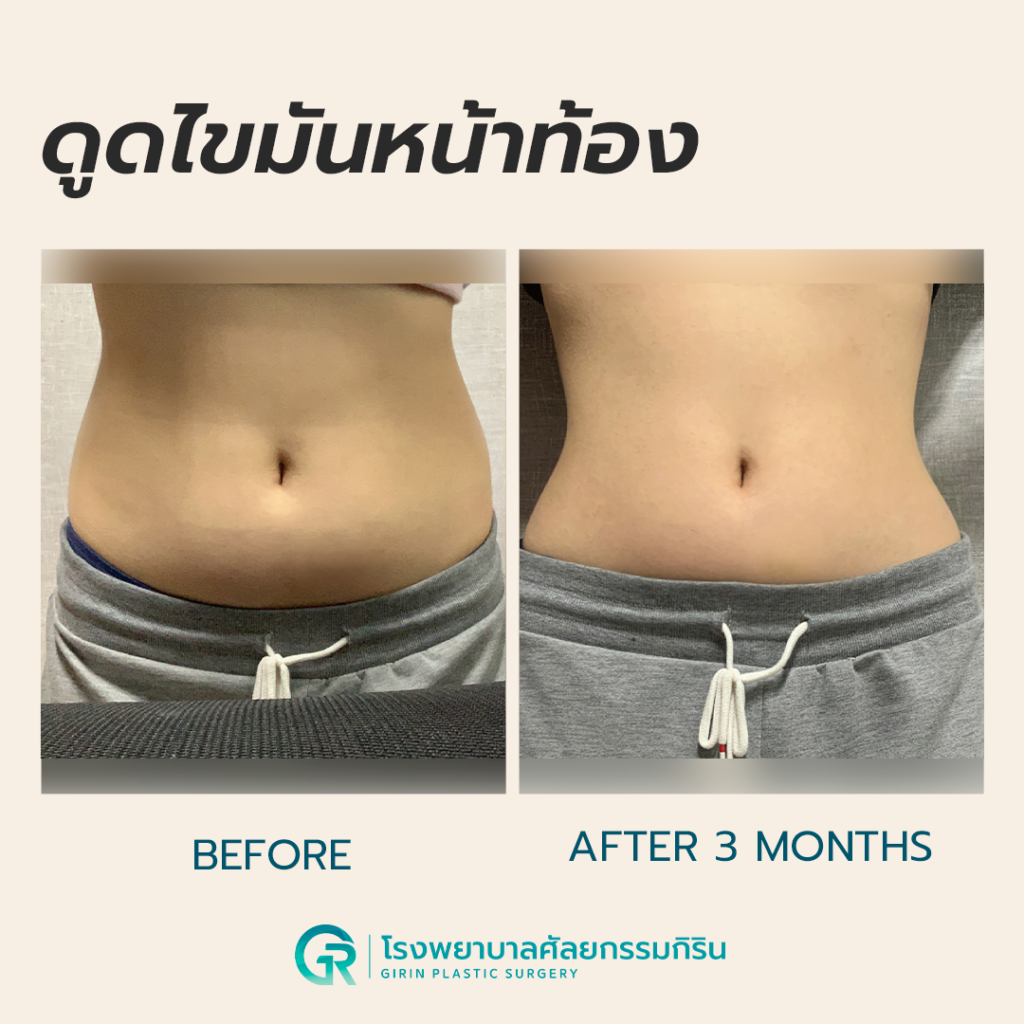
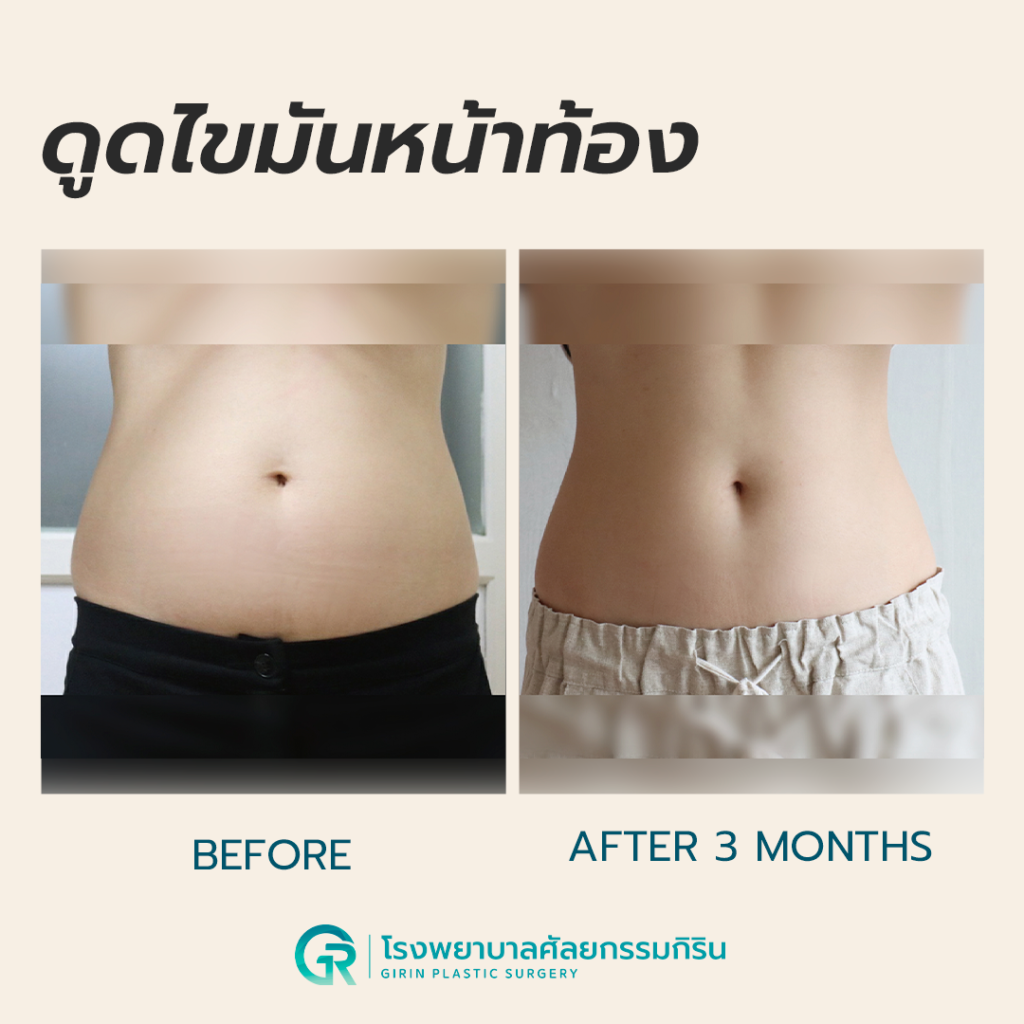
If you have areas of stubborn fat that are difficult to lose through diet or exercise, body liposuction can effectively remove them. The procedure involves making a small incision and removing fat using a cannula. It is a very safe treatment that can target multiple areas such as the chin, arms, back, flanks, abdomen, thighs, and other regions.
The most common method is tumescent liposuction, where a sterile solution is injected into the target area to loosen the fat, allowing it to be removed with minimal pain and bleeding. For delicate areas such as the chin, liposuction is often performed manually by hand for greater precision. For larger areas, machine-assisted techniques such as laser-assisted or ultrasound-assisted liposuction may be used.
At Seoul Guide Medical, we have successfully handled thousands of liposuction cases. The type of equipment used generally does not significantly affect the results—the doctor’s skill and technique are far more important.
The fat cells removed during the procedure will not return; however, maintaining an unhealthy lifestyle can still cause fat gain in treated areas. Think of liposuction as a fresh start—what you do afterward determines your long-term results.
Surgery Time: 2–3 hours
Anesthesia: Local anesthesia with sedation (deep sleep)
Hospitalization: Discharge 2–3 hours after surgery
After-Surgery Check-ups: 3–4 sessions
Recommended Minimum Stay in Seoul: 10 days
Recovery to Normal Appearance: Around 2 months
Full Recovery and Final Results: 6–12 months
Tummy Tuck
If you have excess fat and loose skin in your abdominal area, liposuction alone may not be enough. After significant weight loss or childbirth, the skin can lose elasticity and start to sag. In such cases, a tummy tuck (abdominoplasty) can effectively remove the excess skin and fat while tightening the abdominal muscles.
This procedure not only creates a flatter, firmer, and smoother abdomen, but also helps restore core strength, improving your physical comfort and quality of life. A surgical scar is inevitable, but Korean surgeons are highly skilled in minimizing its appearance, and the incision placement will depend on your individual condition.
After surgery, assistance will be required during the initial recovery period. Seoul Guide Medical will provide a dedicated helper to support and care for you during your recovery.
Surgery Time: 2–3 hours
Anesthesia: Local anesthesia with sedation (deep sleep) or general anesthesia
Hospitalization: Discharge after approximately 3 hours
After-Surgery Check-ups: 3–4 sessions
Recommended Minimum Stay in Seoul: 10 days
Recovery to Normal Appearance: Around 2 months
Full Recovery and Final Results: 6–12 months
Calf Reduction
Long and slender calves are often considered a symbol of elegance, height, and grace—for both women and men. Calf reduction surgery, first developed in Korea, is one of the most popular body contouring procedures. Beyond aesthetics, many patients find it functionally beneficial, as larger calves can make it difficult to wear fitted boots or certain clothing styles.
The ideal calf circumference is generally around 32–34 cm, though it varies based on individual anatomy and muscle structure (especially the gastrocnemius muscles).
If you have noticeably bulky calves and wish to slim them down, there are several treatment options:
- Liposuction: Removes excess fat, though most calf volume usually comes from muscle rather than fat.
- Muscle Reduction: Burning or cutting muscle tissue can reduce size but may be painful and carries potential complications.
- Nerve Block (Radiofrequency Nerve Ablation): The safest and most common method. It involves blocking the nerves that activate the calf muscles, causing them to gradually shrink and slim over the following months. The incision is minimal and discreet, leaving almost no visible scar.
For professional athletes, surgical options are not recommended as they may cause a slight decrease in muscle strength. However, most patients with normal activity levels experience no noticeable loss of power.
For a temporary and non-surgical option, Botox injections can relax the calf muscles and create a slimmer appearance, though results typically last only 3–6 months.
Surgery Time: 1–2 hours
Anesthesia: Local anesthesia with sedation (deep sleep)
Hospitalization: Discharge 1–2 hours after procedure
After-Surgery Check-ups: 2–3 sessions
Recommended Minimum Stay in Seoul: 5–7 days
Recovery to Normal Appearance: 1–2 weeks
Full Recovery and Final Setting: 6–12 months
Non Surgical Body Shaping
If you prefer to avoid surgery, there are several non-surgical body contouring options available. These procedures include fat-destroying machine treatments and fat-dissolving injections designed to sculpt and refine body shape without incisions.
Earlier fat-freezing machines could be painful and required longer recovery times. However, advanced technologies such as the Ultrafocus Lux System now offer pain-free treatments with more effective results.
Fat-dissolving injections target specific areas by breaking down fat cells through a special solution. Mild swelling may occur for 1–2 weeks after the treatment. These injections can be slightly painful and are commonly used for areas like the double chin or localized fat bulges.
For optimal results, a combination of machine treatments and injections is often recommended. Both methods work by destroying fat cells, which are then naturally processed and eliminated by the body—so it’s important to stay well-hydrated after treatment.
Visible results are typically achieved after 3–5 sessions. While these methods are effective, they cannot fully match the results of surgical procedures such as liposuction. For the most dramatic and lasting improvement, surgery is the ideal choice; however, non-surgical treatments remain a great alternative for those seeking gentler fat reduction with minimal downtime.
Procedure Time: 30–60 minutes
Anesthesia: Topical anesthesia
Hospitalization: Discharge immediately after procedure
After-Surgery Check-ups: None required
Recommended Minimum Stay in Seoul: 1 day
Recovery to Normal Appearance: 1–2 weeks