Anti-Aging Treatments
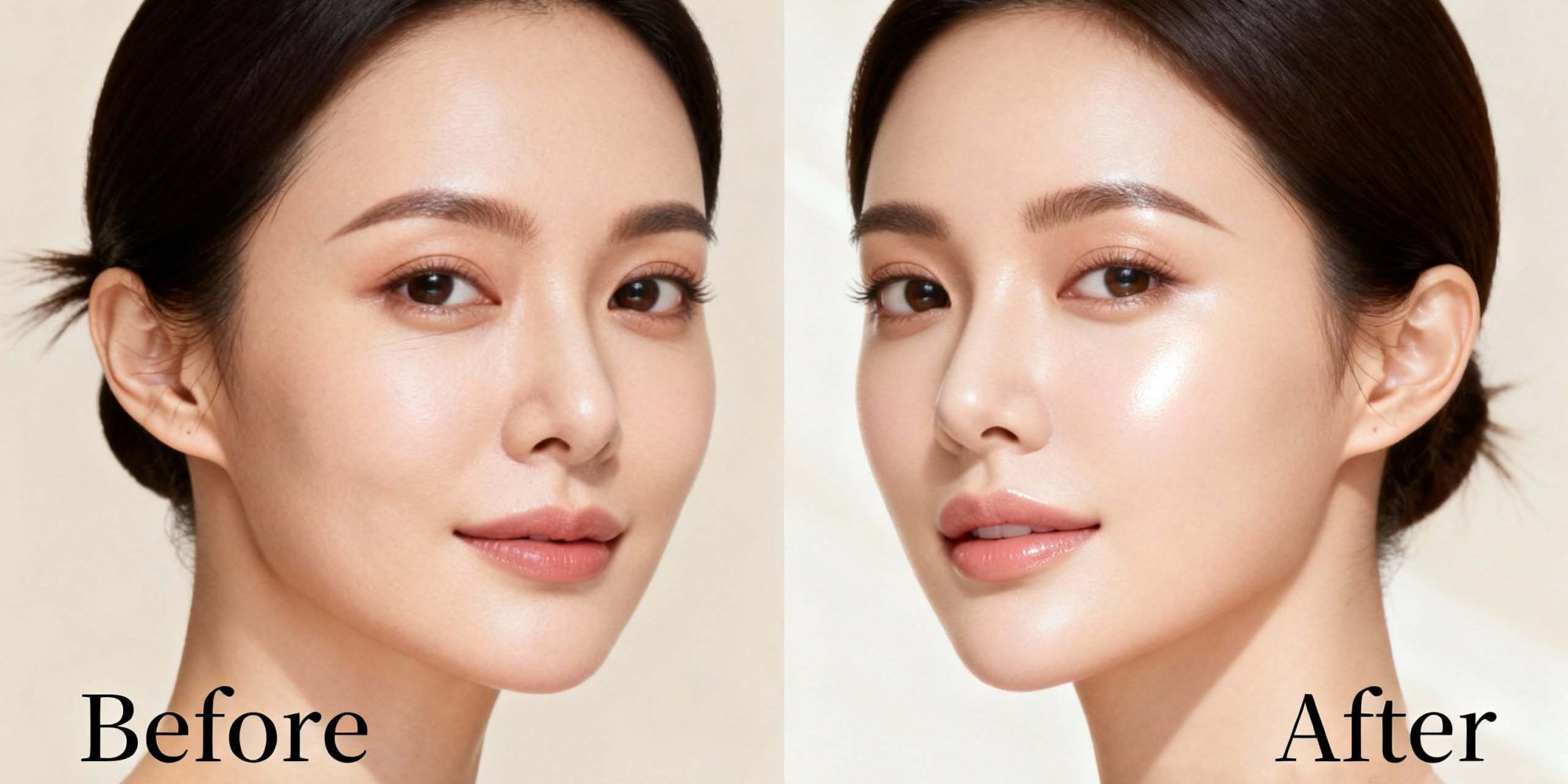
Aging is a natural part of life, but today we have more options than ever to maintain a youthful appearance. The most effective anti-aging results are usually achieved through surgical procedures such as facelifts, neck lifts, fat removal or addition, and excess skin removal.
If surgical options are not suitable for you yet, there are many non-surgical alternatives available, including Botox, dermal fillers, thread lifts, laser skin tightening, and stem cell therapy.
At Glowin Medical, we will help you choose the most suitable treatment to achieve your desired results safely and effectively.
How to Prepare Before Surgery
1. Post-Surgery Assistance
It is important to stop taking all unnecessary medications and supplements—including birth control pills, hormone treatments, vitamins, aspirin, and similar products—at least 2 weeks before surgery if possible. Any substance that may increase bleeding should be avoided. If you are being treated for diabetes, thyroid problems, heart disease, or high blood pressure, please inform our consultants immediately.
2. Health & Lifestyle
Being in good health before surgery helps your recovery go faster. Avoid smoking and alcohol for at least 3 days before surgery. Eating nutritious foods like fresh vegetables and fruits can also support a smoother recovery.
3. Surgery Day Preparation
On the day of surgery, wear comfortable, loose-fitting clothes (zip-ups are recommended). Remove all jewelry, makeup, nail polish, and contact lenses before arriving at the clinic
4. Fasting Before Surgery
For most eye area surgeries, local anesthesia is used, and in some cases, sedation may be added. You must fast (no food or drinks) for 4–6 hours before surgery, depending on your consultation
How to Prepare After Surgery
1. Post-Surgery Support
Our helper and translator will be with you throughout your recovery, including when you wake up after surgery. We will provide care with attention and kindness while assisting your recovery at the clinic. Pumpkin porridge and pumpkin juice will be offered to help speed up your healing (please inform us if you dislike pumpkin or have any allergies). We will also monitor your recovery, and help you collect your aftercare package and prescribed medications
2. Swelling Management
Swelling usually increases during the first 2–3 days before gradually decreasing. It is important to use the ice packs provided as frequently as possible—the more you ice, the faster your recovery. Swelling may appear uneven, with one side slightly more swollen than the other
3. Medication & Rest
Take all prescribed medications until fully completed. Attend all scheduled check-ups and cleanings, avoid rubbing your eyes, and try to sleep on your back to prevent pressure on treated areas
4. Avoid Smoking & Alcohol
Do not smoke or drink alcohol for at least 4 weeks after surgery, as these can slow recovery and negatively affect your results
Facelift
As we age, the skin on our face begins to sag and lose elasticity. For minor cases, a non-surgical approach such as thread lifting combined with lifting laser may be sufficient.
However, in many cases, excess skin can only be effectively removed through surgical facelift. This procedure removes SMAS tissue beneath the skin, lifts and tightens the facial skin, and eliminates drooping areas. The result is a younger, firmer, and healthier appearance with a significant reduction in wrinkles, sagging, and excess skin.
The incision is typically made around the ear, and in Korea, it is performed in a way that the scar becomes virtually invisible over time. Facelift surgery is a complex and highly detailed procedure that requires a specialist. Seoul Guide Medical will assist you in choosing the most suitable expert for your needs.
Facelifts are generally categorized into mini-facelift and full facelift, although doctors may use different names for these variations
Mini Facelift
If you have mild sagging of the facial skin or jawline, a mini face lift may be an ideal, less invasive solution. This procedure tightens the deep facial tissues through short incisions along the hairline above each ear. These natural creases make the scars virtually invisible over time.
The result is a lifted and tightened jawline and cheeks, giving a more refined facial contour and a youthful appearance. Many patients undergo this procedure as preventative care, helping to delay the need for a full facelift. It is often combined with a neck lift and fat grafting as part of a comprehensive anti-aging treatment package.
Surgery Time: 2–3 hours
Anesthesia: Local anesthesia with sedation (deep sleep) or general anesthesia
Hospitalization: Discharge 2–3 hours after surgery
After-Surgery Check-ups: 3–4 sessions
Recommended Minimum Stay in Seoul: 10 days
Recovery to Normal Appearance: 3–4 weeks
Full Recovery and Final Setting: 6–12 months
Full Facelift
If you are experiencing moderate to severe sagging of facial skin, a full facelift provides a more extensive and dramatic improvement. Incisions are made near the temples and continue around the front of the ears, following natural folds to help minimize and conceal any visible scarring.
During the procedure, excess skin is removed, deeper facial tissues are lifted and repositioned, and the skin is tightened to create a smoother, more youthful appearance. This surgery effectively reduces sagging skin and wrinkles, making you look significantly younger.
A neck lift is always performed together for a balanced and harmonious result. In some cases, fat grafting is added to restore facial volume, while a brow lift may also be recommended since a facelift does not target the area above the eyes.
Surgery Time: 3–3.5 hours
Anesthesia: General anesthesia
Hospitalization: 0–1 day
After-Surgery Check-ups: 5 sessions
Recommended Minimum Stay in Seoul: 14 days
Recovery to Normal Appearance: 4 weeks
Full Recovery and Final Setting: 6–12 months
Neck Lift
If you have excess fat or loose skin under your chin that causes sagging or uneven contours, a neck lift can help restore a smoother, firmer, and more youthful appearance.
This procedure can be performed alone or in combination with a facelift or brow lift for a more balanced and harmonious look. During the surgery, small incisions are made discreetly behind the ears and under the chin. Liposuction is often used to remove excess fat, while the underlying muscles are tightened and any excess skin is carefully trimmed and lifted.
The result is a smoother, more defined neck that complements the overall facial contour. Many patients choose to combine this procedure with a facelift or brow lift for complete facial rejuvenation.
Surgery Time: 2.5–3.5 hours
Anesthesia: General anesthesia
Hospitalization: Discharge 2–3 hours after surgery
After-Surgery Check-ups: 3 sessions
Recommended Minimum Stay in Seoul: 7 days
Recovery to Normal Appearance: Around 3 weeks
Full Recovery and Final Setting: 6–12 months
Excess Skin Removal
If you have excess skin—often caused by aging—it can be safely excised and removed to restore a smoother and more youthful appearance. The most common treatment areas include the upper or lower eyelids and around the ears (for face or neck lifting procedures). These treatments are collectively known as blepharoplasty.
During the procedure, excess skin, tissue, and in some cases muscle are tightened to reduce wrinkles and sagging. If needed, fat removal may also be performed to achieve a more refined contour. The result is a firmer, smoother, and rejuvenated look.
Surgery Time: 30 minutes – 1 hour
Anesthesia: Twilight anesthesia or local anesthesia with sedation (deep sleep)
Hospitalization: Discharge 2–3 hours after surgery
After-Surgery Check-ups: 3 sessions
Recommended Minimum Stay in Seoul: 7 days
Recovery to Normal Appearance: 3–4 weeks
Full Recovery and Final Setting: 6–12 months
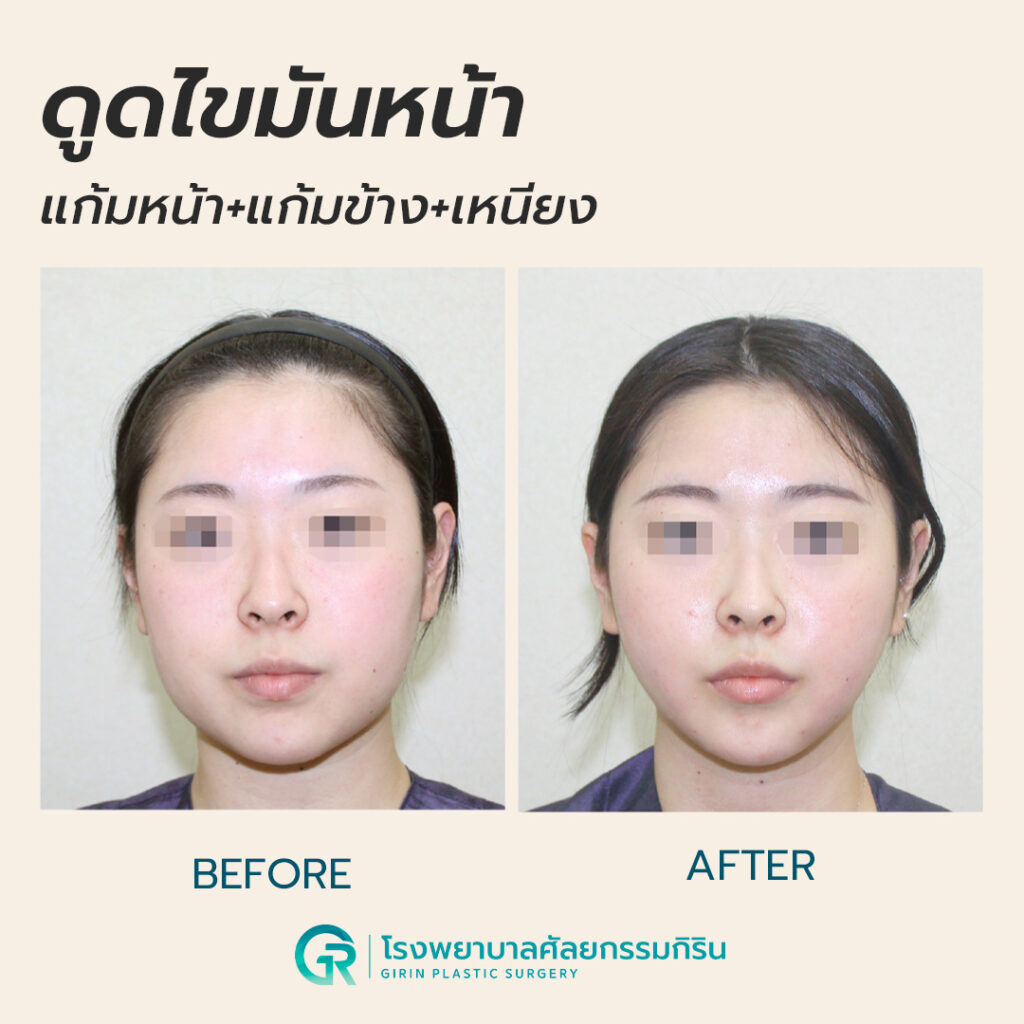
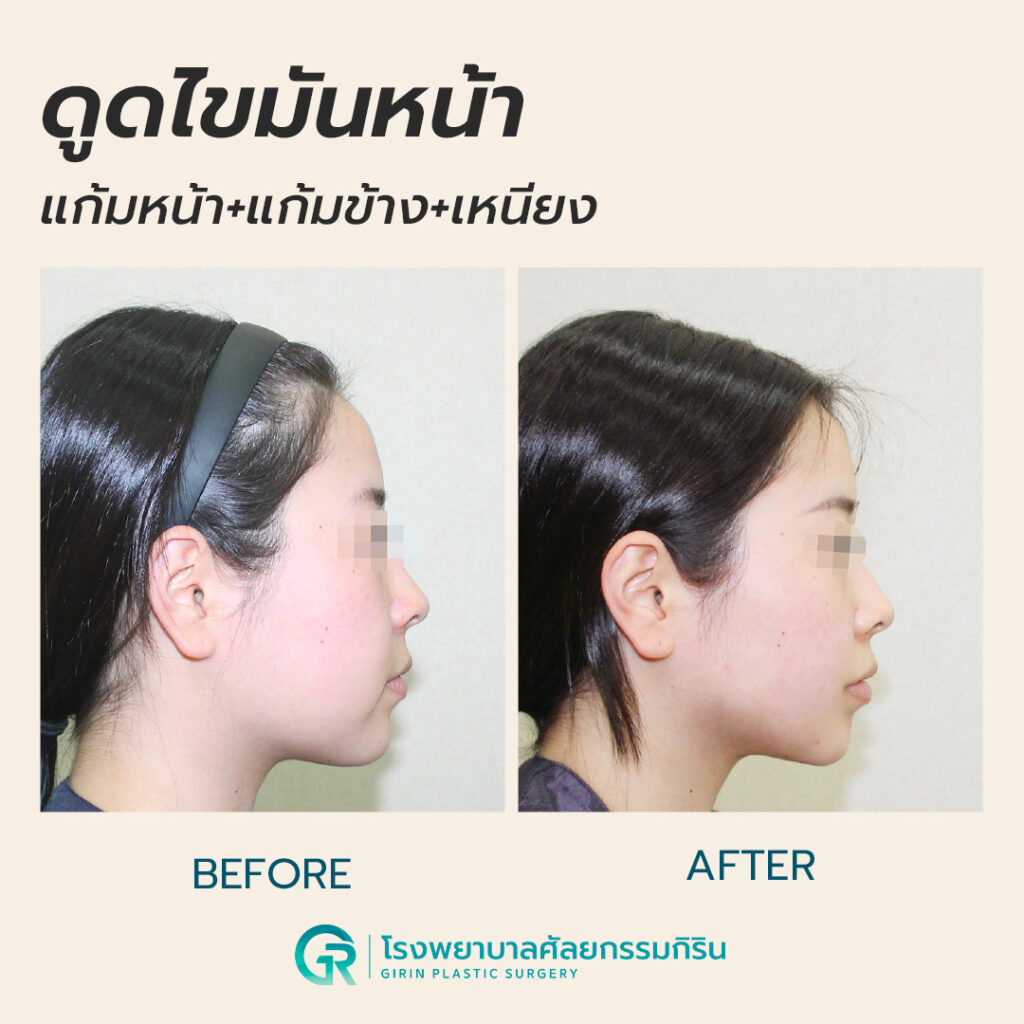
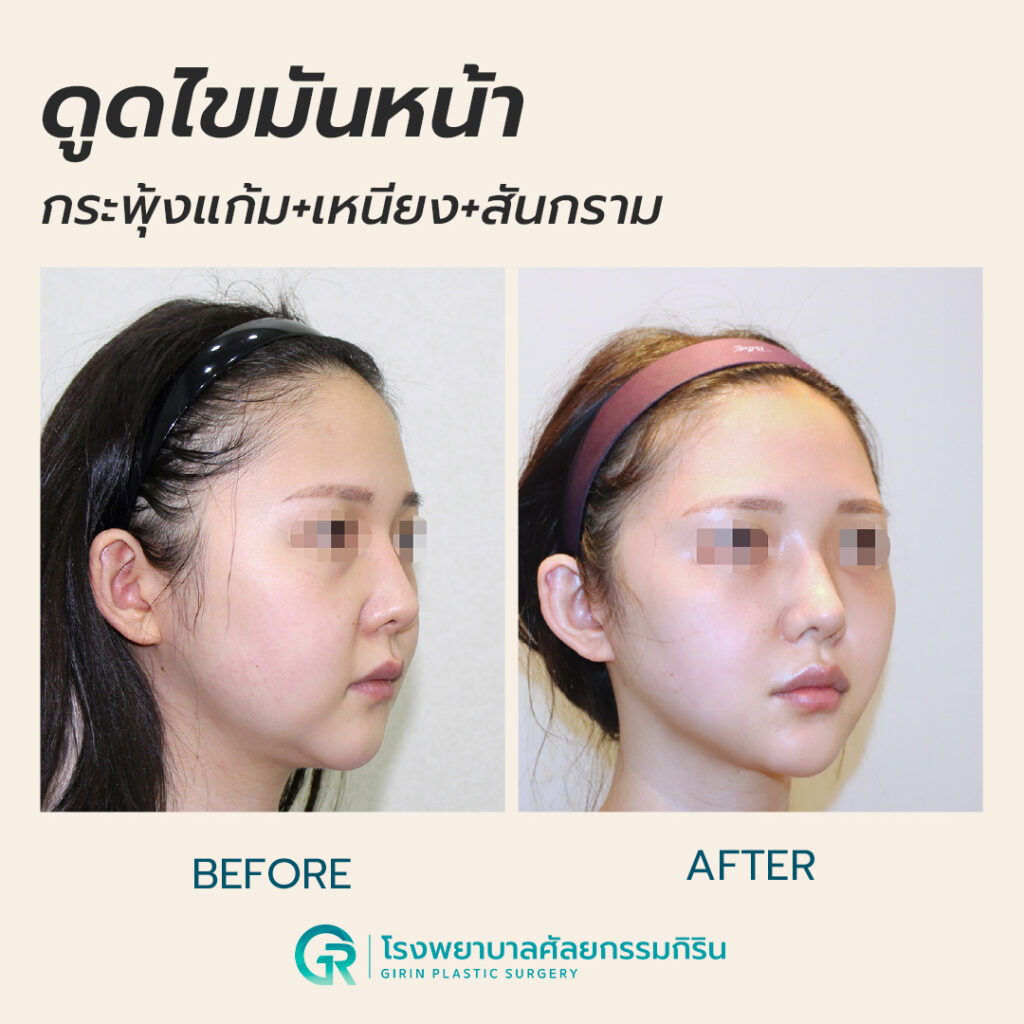
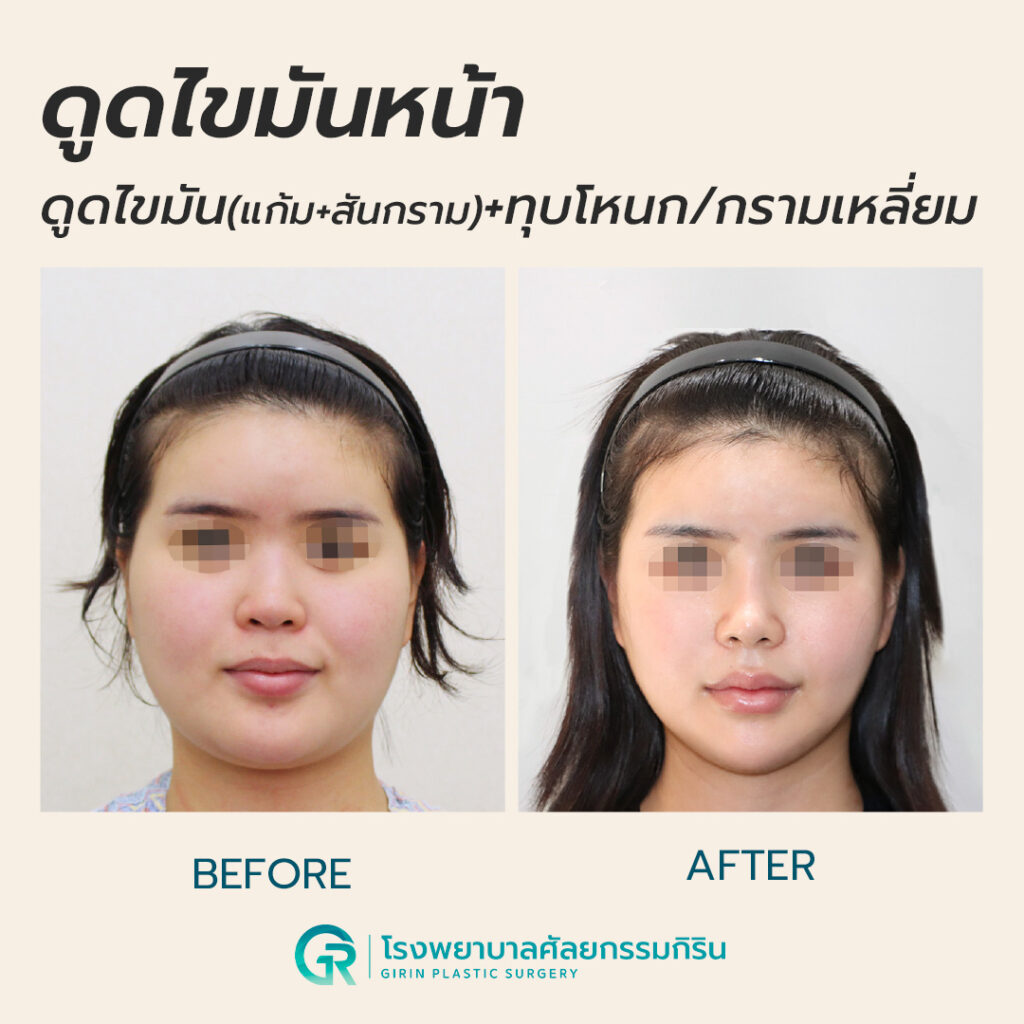
Fat Removal
Liposuction is a procedure that permanently removes excess fat from specific areas of the body. While the removed fat cells will not return, maintaining a healthy lifestyle is important—unhealthy habits may still cause fat accumulation in the treated area, although it will be more difficult than before.
There are various liposuction methods, but in general, they fall into two types: power-assisted liposuction and manual liposuction, regardless of the equipment brand. For delicate areas such as the double chin, manual liposuction is preferred due to its gentler control, while larger areas are more suited for power-assisted liposuction.
After the procedure, you will need to wear a compression garment on the treated area for 2–4 weeks full-time, and then while sleeping for 1–2 months to achieve the best results.
Bruising and swelling are common after surgery. Swelling may move downward due to gravity, and temporary fat clumping can occur but will gradually smooth out within about 6 months. The incisions made are minimal, leaving tiny, almost invisible scars.
Surgery Time: 30 minutes – 1 hour
Anesthesia: Twilight anesthesia or local anesthesia with sedation (deep sleep)
Hospitalization: Discharge 2–3 hours after surgery
After-Surgery Check-ups: 3 sessions
Recommended Minimum Stay in Seoul: 10 days (or 7 days if stitches will be removed in your home country)
Recovery to Normal Appearance: 3–6 weeks
Full Recovery and Final Results: 6–12 months
Fat Addition
As we age, facial fat naturally shifts—accumulating in some areas while decreasing in others. The most common areas of volume loss are the cheeks, forehead, under-eye area, and smile lines, which can make the face appear older and tired.
Fat grafting, also known as fat transfer, helps restore a youthful appearance by removing fat from another part of the body, processing it, and grafting it into the desired facial areas. Approximately 50% of the transferred fat typically survives long-term.
Many clinics offer free or low-cost touch-ups, storing your fat for up to 2 months. If you plan to visit Korea only once within this period, combining the procedure with stem cell or PRP therapy can significantly improve the fat survival rate and overall long-term results.
Surgery Time: 30 minutes – 1 hour
Anesthesia: Twilight anesthesia or local anesthesia with sedation (deep sleep)
Hospitalization: Discharge 1–2 hours after surgery
After-Surgery Check-ups: 3 sessions
Recommended Minimum Stay in Seoul: 7 days (or 5 days if stitches are removed in your home country)
Recovery to Normal Appearance: 4–5 weeks
Full Recovery and Final Setting: 6–12 months
Botox
Anti-aging treatments come in many forms—such as surgery, injections, and laser procedures. The main goals of these treatments are to tighten sagging skin, reduce deep wrinkles, enhance skin elasticity, smooth uneven pigmentation, and refine facial contours. With proper care, someone in their 40s can appear closer to their 30s after undergoing the right procedures.
Among the most effective options are surgical lifts combined with laser treatments. However, Botox (botulinum toxin A) remains one of the most popular non-surgical methods. Botox is injected directly into targeted muscles to block nerve signals, temporarily reducing muscle movement and softening wrinkles.
It is commonly used to treat:
- Forehead lines
- Frown lines (between the eyebrows)
- Crow’s feet (wrinkles around the eyes)
- Wide jawline (for facial slimming)
- Calf muscles (for contouring)
The effects of Botox typically last 3–6 months.
💡 Tip: Botox starts as a powder that is mixed with a saline solution. If too much saline is added, the Botox becomes diluted, resulting in weaker and shorter-lasting effects—sometimes only 1–2 months. Therefore, extremely cheap Botox treatments may not provide lasting results. A proper and balanced mix can maintain the effect for up to 6 months.
Filler
If you have facial depressions or volume loss, filler treatment can help by restoring soft tissue volume. Fillers work by replenishing natural substances in the skin—such as collagen and hyaluronic acid—that decrease with aging, effectively improving wrinkles and facial contours.
Fillers are commonly used to:
- Reduce dark circles under the eyes
- Enhance lips for a fuller appearance
- Soften mouth and smile lines
- Smooth deep wrinkles
- Add definition to the chin or height to the nose
While fillers can also be applied to other areas such as for wrinkle or scar correction, treatment suitability may vary depending on the case. We generally do not recommend using fillers on large areas like the forehead or cheeks, as fillers in those regions can shift over time and lead to unsatisfactory results.
For most patients, temporary fillers lasting 6–12 months are recommended. These can be safely dissolved using an anti-filler injection if the outcome is not as desired. Semi-permanent fillers, which last 2–10 years, can only be removed surgically and have a higher risk of complications over time—thus, they are not recommended for most individuals.
Surgery Time: 30 minutes
Anesthesia: Topical anesthesia
Hospitalization: Discharge immediately after treatment
After-Surgery Check-ups: None required
Recommended Minimum Stay in Seoul: 1 day
Recovery to Normal Appearance: 1–4 days
Full Recovery and Final Setting: 1 week
Thread Lifting
If your facial skin has begun to sag and lose firmness, non-surgical thread lifting can be an excellent option. During the procedure, dissolvable threads are inserted beneath the skin—from the upper cheek area down toward the lower cheek. These threads are gently pulled to lift and tighten the facial contours, resulting in a more youthful and defined appearance.
For enhanced results, skin-tightening laser treatments (such as HIFU lifting) can be performed together with thread lifting. Combining this procedure with fillers and Botox may also improve the overall outcome. The effects typically last for 1 to 1.5 years, and the threads gradually dissolve over time.
Surgery Time: 30–60 minutes
Anesthesia: Topical anesthesia
Hospitalization: You can leave the clinic immediately after the procedure
After-Surgery Check-ups: None required
Recommended Minimum Stay in Seoul: 1 day
Recovery to Normal Appearance: 2–4 days
Full Recovery and Final Setting: 1–2 weeks
Laser Skin Tightening
For patients with mild skin sagging or those seeking a non-surgical facelift, laser skin tightening using ultrasonic electrical impulse technology can effectively firm and lift the skin, helping you look and feel younger.
Popular options include HIFU, Ulthera, Doublo Series, and Shurink Series. The most suitable type will be determined during your in-clinic consultation. These devices deliver ultrasonic impulses into different layers of the skin, tightening the muscles, tissue, and skin while stimulating collagen production for a natural lifting effect.
A full course targets the entire face and neck, including the forehead, while a half course focuses on the jawline area. The most visible improvement is typically around the jawline. Results are most noticeable within the first 2–3 months and usually last 6–12 months.
Although this treatment cannot fully replace surgical lifting, it is an excellent option for patients undergoing thread lifting or those who desire a subtle yet meaningful enhancement.
Surgery Time: 30–60 minutes
Anesthesia: Topical anesthesia
Hospitalization: Discharge immediately after procedure
After-Surgery Check-ups: None required
Recommended Minimum Stay in Seoul: 1 day
Recovery to Normal Appearance: 2–4 days
Full Recovery and Final Setting: 1–2 weeks
Stem Cell Therapy
Stem cell therapy is performed only in specialized clinics and offers powerful anti-aging benefits—both for aesthetic rejuvenation and overall health.
For topical stem cell skin therapy or treatments using stem cell derivatives, the procedure can be completed in just one day. However, for injection-based stem cell therapy, a longer treatment schedule is required, ranging from 1 week, 2 weeks, 1 month, or up to 3 months, depending on the program.
You do not need to stay in Korea continuously—each treatment session takes just one day, so you can leave and return for your next scheduled session.
While this treatment can be more costly, it provides remarkable regenerative effects, helping to reverse signs of aging and improve physical vitality.
Surgery Time: 30–60 minutes
Anesthesia: Topical anesthesia
Hospitalization: Discharge immediately after the procedure
After-Surgery Check-ups: None required
Recommended Minimum Stay in Seoul: 1 day
Recovery to Normal Appearance: 2–4 days
Full Recovery and Final Result: 1–2 weeks